

4 Ways a Knee Joint Pain Relief Brace Can Help Manage Knee Joint Pain
Knee pain can turn simple daily tasks like climbing stairs, walking, or standing up from a chair into a struggle. Whether the discomfort comes from arthritis, an old injury, or everyday wear and tear, finding the right support matters. A knee joint pain relief brace offers targeted compression, stability, and warmth that can make movement easier and reduce strain on the joint. Brands like Arthagone™ design their braces to work with the body’s natural movement rather than against it, giving people a practical way to manage pain while staying active.
This blog breaks down four key ways a knee brace can support pain management, along with practical guidance on choosing and using one effectively.
Key Takeaways
- A knee joint pain relief brace helps stabilize the joint and reduces pressure during movement.
- Compression from a knee support brace for joint pain improves blood flow and reduces swelling.
- An adjustable knee support brace allows a customized, comfortable fit for different activity levels.
- A knee brace for arthritis pain can ease stiffness and support daily mobility.
- Choosing the right brace is one practical answer to how to relieve knee joint pain without relying solely on medication.
Understanding how a knee joint pain relief brace works can help people make an informed decision about managing their pain long-term. Below are four ways this simple tool can make a real difference.
1. Provides Joint Stability and Reduces Strain
One of the biggest challenges with knee pain is the feeling of instability, especially when walking on uneven ground or going up and down stairs. A brace wraps around the joint and limits excessive side-to-side or twisting movement, which lowers the risk of further strain.
This added stability matters most for people recovering from injury or living with ligament weakness. When the knee is supported externally, the surrounding muscles don’t have to work as hard to keep the joint in place. Over time, this can reduce fatigue and prevent the kind of overcompensation that often leads to hip or back pain.
An adjustable knee support brace makes this benefit even more practical. Since knees vary in size and shape, and swelling can change throughout the day, a brace that can be tightened or loosened as needed keeps the fit secure without cutting off circulation.
2. Improves Circulation Through Targeted Compression
Compression is one of the most researched benefits of wearing a brace for joint issues. Gentle, even pressure around the knee encourages blood flow, which helps deliver oxygen and nutrients to the tissue while flushing out inflammatory fluid buildup.
This is particularly useful for people dealing with swelling after activity or long periods of standing. A knee pain relief brace with built-in compression panels can reduce puffiness and that heavy, stiff feeling many people experience by the end of the day.
Better circulation also supports faster recovery after minor strains. Instead of the joint staying inflamed for days, consistent compression can shorten that window, allowing people to return to normal activity sooner. This is one of the clearest benefits of wearing a knee brace that people notice almost immediately after putting one on.
3. Eases Stiffness and Supports Arthritis Management
Arthritis-related knee pain often comes with morning stiffness, a grinding sensation, or pain that worsens with weather changes. A knee brace for arthritis pain applies steady warmth and pressure to the joint, which can loosen tight tissue and make the first few steps of the day less painful.
Many people with arthritis avoid movement because they fear it will worsen their pain, but staying sedentary usually makes stiffness worse. A brace gives the knee enough support to move confidently, encouraging light activity like walking or stretching, both of which are recommended for long-term joint health.
Arthagone™ takes a different approach here compared to standard elastic wraps. Instead of relying only on basic compression, the brace incorporates a targeted support structure designed to distribute pressure evenly around the joint rather than concentrating it in one spot. This kind of engineering is not something found in a generic pain relief belt, where a single stretchy band often shifts out of place and provides uneven support during movement.
4. Offers a Non-Invasive Way to Manage Daily Pain
Not everyone wants to rely on pain medication for ongoing knee discomfort, and a brace offers a practical alternative. It requires no prescription, has no side effects on the digestive system, and can be worn during almost any activity, from household chores to light exercise.
For anyone researching how to relieve knee joint pain naturally, a brace is often one of the first recommendations from physical therapists. It works by addressing the mechanical side of pain, reducing unnecessary movement and pressure, rather than masking discomfort temporarily.
A knee joint pain relief brace also travels well and fits into daily routines without much adjustment. It can be worn under loose pants at work, during a walk, or even while sitting for long periods, making it a flexible tool for people who need consistent support throughout the day.
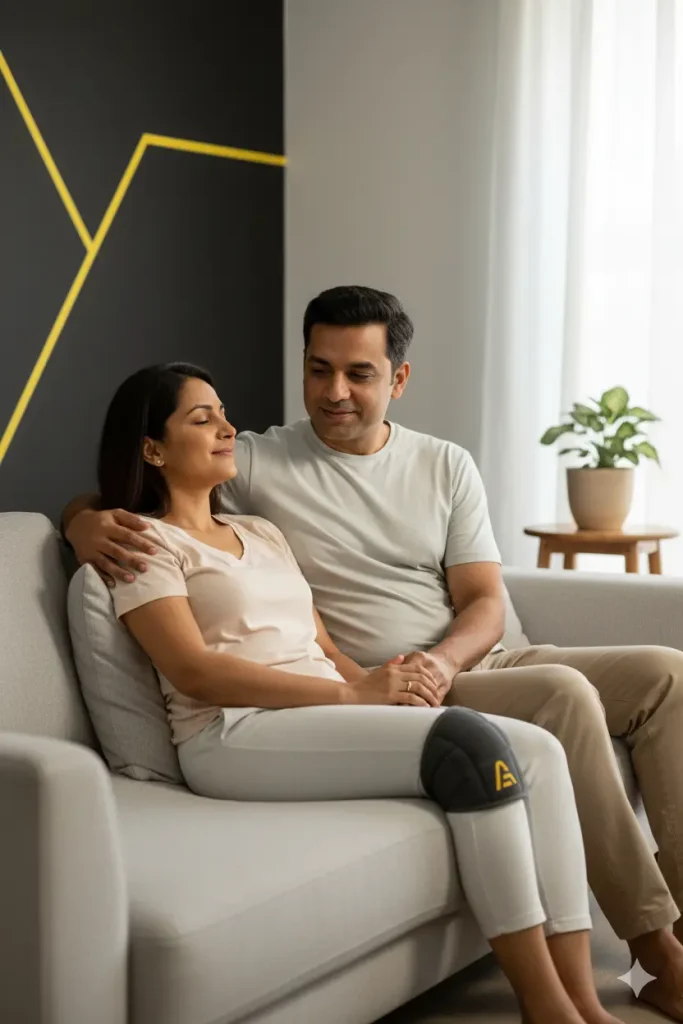
Choosing the Right Brace for Long-Term Comfort
Picking a knee support brace for joint pain isn’t just about grabbing the first option available. Material breathability, adjustability, and the type of support structure all affect how well the brace performs over time. A poorly designed brace can slip, dig into the skin, or fail to provide meaningful compression, leaving the wearer no better off than without one.
This is where the difference in design becomes noticeable. Arthagone™ braces use a support technology that focuses on even pressure distribution and joint alignment, a feature that sets them apart from basic pain relief belts sold as one-size-fits-all solutions. People dealing with chronic discomfort often find that this kind of targeted design offers steadier support during everyday movement compared to generic alternatives.
For anyone currently weighing their options for daily knee support, exploring a brace built around this kind of engineering can be a practical next step toward more comfortable movement.
Frequently Asked Questions
1. How long should I wear a knee joint pain relief brace each day?
Most people wear a brace during activity or periods of standing and walking, removing it while resting or sleeping unless advised otherwise by a healthcare provider.
2. Can a knee brace for arthritis pain be worn under clothing?
Yes, most low-profile braces are designed to fit comfortably under pants or leggings without being noticeable.
3. Is an adjustable knee support brace better than a fixed-size one?
An adjustable design usually offers a more secure and comfortable fit since it can be modified for swelling, activity level, and individual knee shape.
4. Will a brace alone fix knee pain?
A brace helps manage symptoms and support the joint, but combining it with appropriate exercise, rest, and medical guidance gives the best long-term results.
5. Can I wear a knee brace during exercise?
Yes, many braces are designed for light to moderate activity, offering stability during walking, stretching, or low-impact workouts.