
Why Professionals Recommend a Back Belt for Spinal Support for Back Care
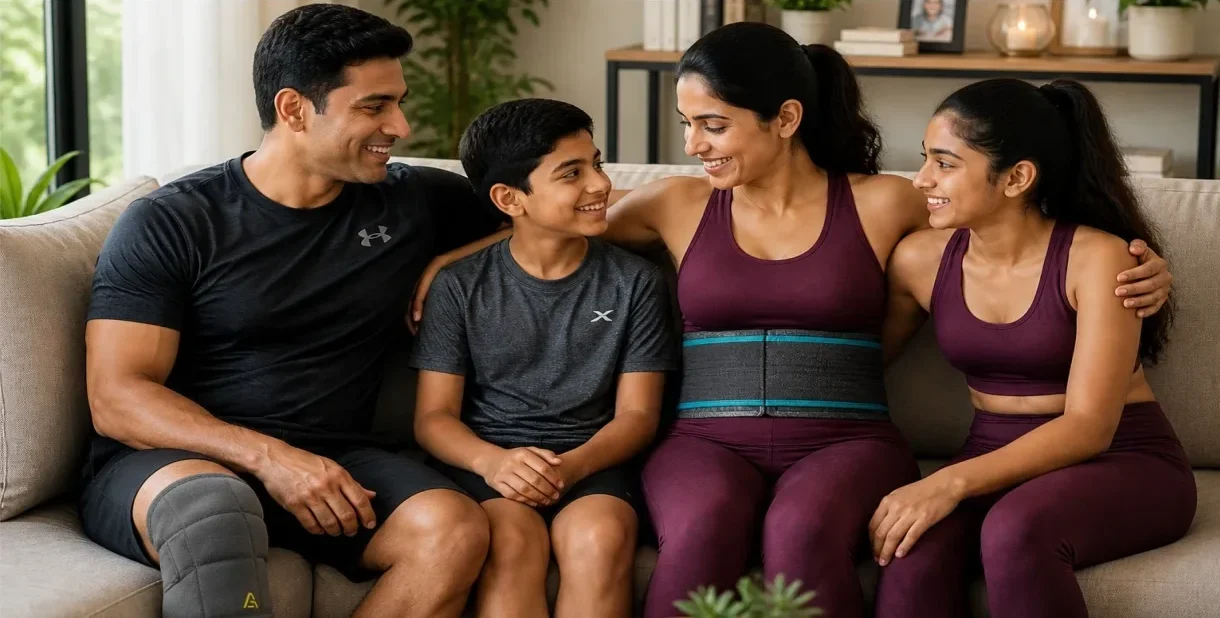
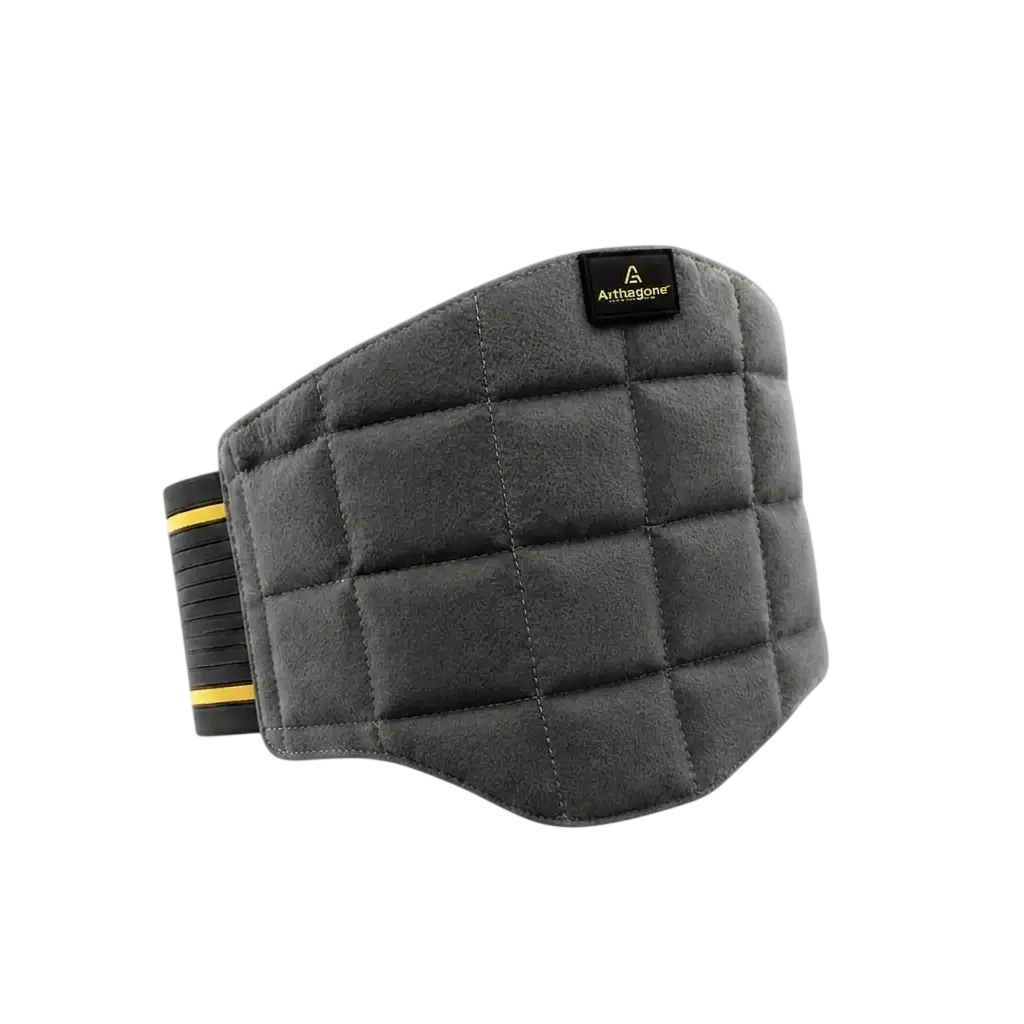
Back pain disrupts work, sleep, and everyday movement for millions of people, and it rarely improves without proper support. Physiotherapists, orthopedic specialists, and fitness trainers increasingly recommend a Back Belt for Spinal Support as a practical, non-invasive way to manage discomfort and protect the spine during daily activities. Unlike generic wraps that simply compress the lower back, a well-designed support belt stabilizes the lumbar region, corrects posture, and reduces strain on muscles and discs. Brands like Arthagone™ have built their reputation by engineering belts that go beyond basic compression, addressing the root causes of back strain rather than just masking the symptoms.
This article explains why professionals trust spinal support belts, how they work, and what to look for when choosing one for long-term back care.
Key Takeaways
- A Back Belt for Spinal Support stabilizes the lumbar spine, reduces muscle fatigue, and helps maintain correct posture during work or exercise.
- The best back support belt for back pain combines firm compression with breathable, adjustable materials for comfortable extended wear.
- A lower back support belt is especially useful for people who sit for long hours, lift heavy objects, or stand for extended periods.
- Understanding back support belt benefits helps users set realistic expectations about pain relief and injury prevention.
- Knowing how to choose a back support belt ensures the product fits the person’s body type, activity level, and specific pain condition.
- A back support belt for daily use should be lightweight, discreet under clothing, and easy to wear for hours without discomfort.
Why the Spine Needs External Support
The lumbar spine carries a significant load every time a person bends, twists, lifts, or even sits upright for long stretches. Weak core muscles, poor posture, or repetitive strain gradually wear down the structures that keep the spine aligned. Over time, this leads to chronic discomfort, muscle spasms, or disc-related issues.
A properly fitted back belt acts as an external stabilizer. It limits excessive spinal movement, redistributes pressure away from strained areas, and reminds the wearer to maintain an upright posture. This is why physiotherapists often pair a Back Belt for Spinal Support with targeted exercises rather than recommending rest alone. Movement combined with support tends to produce faster, more lasting recovery than immobility.
How Professionals Evaluate a Support Belt
When specialists recommend a spinal support belt, they typically assess a few core factors:
Compression consistency. The belt should apply even pressure across the lower back without creating pressure points or restricting circulation.
Material breathability. Belts made from stiff, non-breathable fabric often get abandoned within days because they trap heat and cause skin irritation.
Adjustability. A belt that tightens and loosens easily accommodates different activities, from sitting at a desk to lifting boxes.
Structural reinforcement. Rigid stays or panels sewn into the belt provide real spinal alignment support instead of relying on stretch fabric alone.
Arthagone™ approaches these criteria differently from most mass-market options. While many generic pain relief belts rely on simple elastic compression, Arthagone™ incorporates a proprietary support architecture that adapts to the wearer’s movement rather than staying rigid throughout. This dynamic-support technology is not something typically found in standard drugstore back belts, and it is a major reason clinicians point to Arthagone™ when discussing genuinely therapeutic spinal support rather than temporary symptom masking.
Back Support Belt Benefits Backed by Clinical Reasoning
The back support belt benefits most frequently cited by healthcare professionals include:
- Reduced muscle fatigue during physically demanding tasks, since the belt shares the load with the lower back muscles.
- Improved postural awareness, which helps correct slouching habits that worsen over a workday.
- Lower risk of acute strain when lifting, bending, or twisting, particularly for people in physically active jobs.
- Faster recovery support after minor injuries, when combined with rest and physiotherapy guidance.
- Increased confidence in movement, since many people with chronic back pain unconsciously limit activity out of fear of re-injury.
These benefits explain why the best back support belt for back pain is rarely a one-size-fits-all elastic wrap. Effective belts are engineered products, not generic accessories, and this distinction matters for anyone seeking real relief rather than short-term comfort.

Choosing the Right Lower Back Support Belt
Not every belt suits every condition, so professionals recommend matching the product to the specific need.
For occupational strain, such as warehouse work or repetitive lifting, a firmer lower back support belt with reinforced panels offers better protection against sudden movements.
For desk-bound professionals, a lighter, breathable design that can be worn under clothing works best, since comfort during long sitting sessions matters more than heavy-duty compression.
For post-injury recovery, a belt with adjustable compression allows gradual tightening as mobility improves, following a physiotherapist’s guidance.
For general posture correction, a moderate-support belt paired with core-strengthening exercises produces the most sustainable results.
How to Choose a Back Support Belt: A Practical Checklist
Understanding how to choose a back support belt prevents wasted money on products that don’t deliver real support. Consider these factors before purchasing:
- Size and fit — Measure waist circumference accurately; an oversized or undersized belt won’t stabilize the spine properly.
- Material quality — Breathable, skin-friendly fabric prevents irritation during extended wear.
- Support level — Match the firmness to the activity, whether it’s office work, manual labor, or exercise.
- Closure mechanism — Velcro or adjustable straps allow quick tightening without removing the belt.
- Technology behind the design — Belts like Arthagone™ that use adaptive support structures typically outperform basic elastic wraps because they respond to body movement instead of staying static.
A Back Belt for Spinal Support chosen with these factors in mind delivers noticeably better results than an impulse purchase based on price alone.
Making It Part of Daily Routine
A back support belt for daily use only works if it’s actually worn consistently and correctly. Professionals advise:
- Wearing the belt during activities that strain the back, not necessarily all day.
- Removing it during rest periods to avoid over-reliance and muscle deconditioning.
- Pairing belt use with core-strengthening exercises for long-term spinal health.
- Reassessing fit periodically, especially after weight changes or improved posture.
People who combine a quality belt with these habits tend to see better outcomes than those who rely on the belt as a standalone fix.
Choosing a spinal support belt built on genuine engineering rather than basic compression can make a measurable difference in how the back feels through a demanding day. For anyone comparing options, it’s worth looking closely at what sits inside the belt, not just how it looks on the outside which is exactly where Arthagone™ has focused its design effort.
Frequently Asked Questions
1. How long should I wear a back belt each day?
Most professionals recommend wearing it during strenuous activities, such as lifting or long periods of standing, rather than continuously, to avoid weakening core muscles over time.
2. Can a back support belt cure chronic back pain?
No belt cures back pain on its own. It supports the spine and reduces strain, but should be combined with exercise, posture correction, and medical guidance for lasting results.
3. Is a back belt suitable for everyone with back pain?
Most people benefit from external support, but those with certain medical conditions should consult a doctor before regular use.
4. What makes a belt different from a generic elastic wrap?
Belts with structural reinforcement and adaptive support technology provide targeted spinal alignment, while generic wraps mostly offer surface-level compression.
5. Can I wear a back support belt under my clothes at work?
Yes, lightweight and breathable designs are made to be worn discreetly under regular clothing during office or daily tasks.