


5 Things to Know Before Buying a Back Pain Relief Brace
Back pain interrupts work, sleep, and simple daily routines. Many people choose a Back Pain Relief Brace when discomfort starts, but the wrong one can feel bulky, slip out of place, or fail to provide adequate support. Researching your options before buying can help you find a suitable fit and improve everyday comfort. Arthagone™ designs supportive products with daily comfort in mind. This guide highlights the key factors to consider when choosing a Back Pain Relief Brace for your needs.
Key Takeaways
- Match the brace to your pain location and activity level.
- A precise fit matters more than a high price tag.
- Breathable, flexible materials make long wear possible.
- Wear time and posture habits affect your results.
- A brace supports your back, and a doctor’s guidance supports your recovery.
1. Identify Where and Why Your Back Hurts
Every purchase starts with a clear picture of your pain. A desk worker with a dull ache across the waist needs different support than someone who lifts boxes all day. Pinpoint the area, the trigger, and the time of day when pain peaks.
A back pain relief brace works best when it targets a specific need. Muscle strain, poor posture, and prolonged sitting respond well to gentle compression and lumbar support. Sharp, radiating, or sudden pain deserves a medical check before you buy anything.
If you wonder how to choose a back pain relief brace, start with this question: “What movement or position makes my pain worse?” Your answer narrows the field quickly. Someone who aches after sitting needs light lumbar support, while someone who bends and lifts needs firmer stabilization.
2. Check the Fit and Sizing Carefully
A brace that sits too loose slides around and offers little support. A brace that fits too tight restricts breathing and digs into your skin. Neither option helps your back.
When you consider what to look for in a back pain relief brace, size comes first. Measure your waist or hips at the point the manufacturer specifies, and compare the numbers against the sizing chart rather than guessing from your clothing size. Look for these fit features:
- Adjustable closures: Velcro straps let you fine-tune compression throughout the day.
- Proper height: The brace should cover your lower back without pressing into your ribs or hips.
- Secure positioning: The brace should stay in place when you sit, stand, and walk.
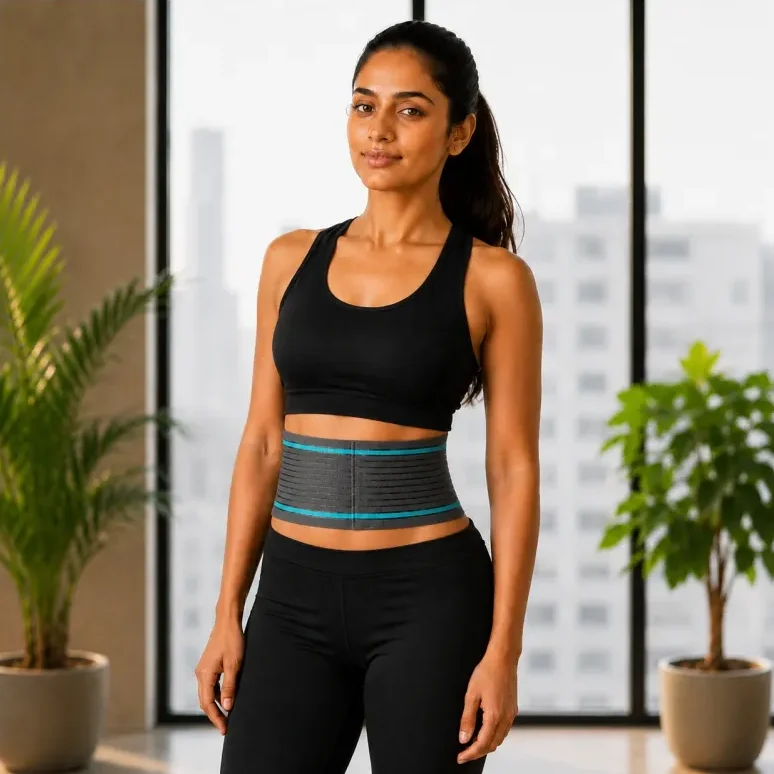
A lower back support brace should hug the lumbar region firmly while leaving you free to breathe and move.
3. Prioritize Material and Comfort
Comfort decides whether you wear the brace at all. Even the most supportive design sits in a drawer if it feels hot, itchy, or stiff. Breathable fabrics such as mesh or blended elastic pull moisture away from your skin and reduce irritation, especially in warm weather.
Seams, edges, and padding matter too. Soft edges prevent rubbing, and flexible panels move with your body instead of fighting it. A comfortable back support belt disappears under your clothes and lets you forget it’s there.
A back pain relief brace should also hold up to regular washing. Check whether the fabric keeps its stretch after laundering, since a brace that loses elasticity stops delivering support. If you plan to wear a back brace for daily use, durability and skin-friendly fabric deserve extra attention, because you will put the brace through hours of sweat, bending, and movement.
4. Understand How to Use Your Brace Correctly
Buying the right brace is only half the job. Wearing it correctly determines how much relief you get. Many people tighten the straps too much, believing more compression means more support. Excess pressure can weaken your core muscles over time as they rely on the brace instead of working on their own.
Follow these habits to get the most from your brace:
- Position it properly. Center the brace over your lower back, and wrap it snugly around your waist.
- Start with short sessions. Wear it for one to two hours at first, then extend the time as your body adjusts.
- Wear it during trigger activities. Put it on for long sitting stretches, lifting, or standing for hours.
- Remove it during rest. Take it off when you lie down or sleep, unless your doctor advises otherwise.
- Pair it with movement. Gentle stretching and core exercises strengthen the muscles your brace supports.
If you want to know how to use a back pain relief brace for long-term benefit, treat it as a tool that supports healthy movement. It should not replace movement altogether.
5. Compare Support Levels and Features
Braces range from light elastic wraps to rigid designs with stays and compression systems. The best back pain relief brace for you depends on your pain level, daily routine, and comfort preference.
- Light support: Suits mild stiffness and posture correction during desk work.
- Moderate support: Suits recurring muscle strain, light lifting, and long commutes.
- Firm support: Suits heavier physical tasks or doctor-recommended stabilization.
Read reviews from people whose routines resemble yours, and compare return policies before you commit. A reliable seller lets you exchange sizes without hassle. Check whether the brace includes removable support panels, since these let you adjust firmness as your needs change.
Price alone doesn’t signal quality. A well-built back pain relief brace combines proper sizing, breathable fabric, and adjustable support at a fair cost. Weigh these features against your daily routine, and you will narrow your options quickly.
Your Next Step Toward a Healthier Back
Back comfort starts with small, informed choices. If you want support that fits your routine, explore the thoughtfully designed range at Arthagone™ and see how the right support can ease your day.
Frequently Asked Questions
1. How tight should a back brace feel?
It should feel snug and supportive but never painful. You should breathe freely and slip a finger under the edge without effort.
2. Can I wear a back brace all day?
Most people benefit from wearing a brace during demanding activities rather than all day. Constant wear can let your core muscles weaken, so build up your wearing time gradually and ask your doctor about your situation.
3. Can I wear a back brace under my clothes?
Yes. Slim, flexible designs sit flat under shirts and work well at the office or on the go.
4. How to use a Back Pain Relief Brace for the best results?
Center it over your lower back, fasten it snugly, and wear it during activities that trigger pain. Combine it with stretching, good posture, and core-strengthening exercises.
5. When should I see a doctor about back pain?
See a doctor if your pain lasts more than a few weeks, spreads down your legs, or comes with numbness, weakness, or fever.
