

Lumbar Belt & Back Support: How and When Should You Use One?
Lower back pain interrupts work, workouts, and sleep for millions of people. A lumbar belt offers a simple way to stabilize your spine, ease pressure on sore muscles, and move with more confidence. Many people buy one without knowing when to wear it or how tight to fasten it. Brands like Arthagone™ design back support products for exactly these everyday situations. This guide explains how and when to use one, so you get real relief instead of guesswork.
Key Takeaways
- A lumbar belt stabilizes your lower back, limits painful movements, and reduces muscle strain.
- Wear it during lifting, long sitting sessions, flare-ups, and recovery periods, not all day, every day.
- Position it snugly over your lower back, firm enough to support you but loose enough to breathe comfortably.
- Choose your size, material, and support level based on your activity and pain level.
- Pair the belt with stretching, core strengthening, and good posture for lasting results.
What Is a Lumbar Support Belt?
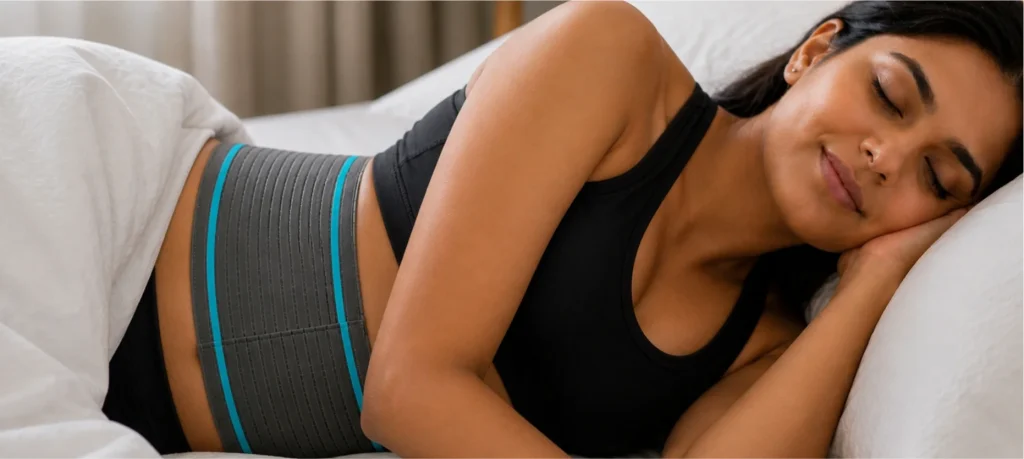
A lumbar support belt is a wide, elastic or semi-rigid band that wraps around your lower back and abdomen. It compresses the area gently, stabilizes the lumbar spine, and reminds you to keep a neutral posture. Some designs include stiffening panels or adjustable straps for extra control. Others use soft, breathable fabric for light support.
Lumbar Support Belt Benefits
The right belt delivers several practical advantages:
- Pain relief: Gentle compression reduces muscle tension and eases soreness.
- Better posture: The belt cues you to sit and stand straighter.
- Reduced strain: It limits excessive bending and twisting that aggravate the spine.
- Warmth: The snug fit retains heat, which relaxes tight muscles.
- Confidence: Many people move more freely knowing their back has support.
These lumbar support belt benefits work best as a short-term aid while your back heals and your core muscles grow stronger.
When to Wear a Lumbar Support Belt
Knowing when to wear a lumbar support belt matters as much as owning one. Consider it in these situations:
- Heavy lifting: Warehouse work, moving furniture, or gym sessions place high loads on your lumbar spine.
- Acute pain flare-ups: A belt limits movement while inflamed tissue settles down.
- Recovery from strains: It protects healing muscles and ligaments during daily tasks.
- Long-standing shifts: Nurses, retail staff, and factory workers benefit from added stability.
- Chronic conditions: People with mild disc issues or lumbar stiffness often find support helpful during activity.
Skip the belt during rest, light walking, or gentle exercise unless your doctor advises otherwise.
Lumbar Belt for Lower Back Support During Activity
A lumbar belt for lower back support shines during movement. When you lift a box, garden for an hour, or carry groceries, the belt increases abdominal pressure and steadies your spine. That stability helps you maintain good form and reduces the chance of a sudden strain. Remember that the belt assists your muscles; it never replaces proper lifting technique. Bend your knees, keep the load close, and avoid twisting while you carry.
Lumbar Support Belt for Sitting
Desk workers and drivers spend hours in positions that flatten the natural curve of the lower spine. A lumbar support belt for sitting keeps that curve in place and reduces slouching. Choose a slim, flexible design that does not dig into your hips or abdomen when you bend at the waist. Wear it for focused stretches of one to two hours, then remove it, stand up, and walk around. Pair it with an ergonomic chair, a monitor at eye level, and feet flat on the floor.
How to Use a Lumbar Support Belt
Correct use determines how well the belt works. Follow these steps:
- Position it properly. Center the belt over your lower back, with the bottom edge resting just above your tailbone.
- Wrap it snugly. Pull the ends around your waist and fasten them firmly. You should feel support, not restriction.
- Check your breathing. If you cannot take a deep breath, loosen the straps.
- Wear it over a thin layer. A light shirt prevents skin irritation and absorbs sweat.
- Limit wear time. Use it during demanding tasks, and remove it during rest.
- Clean it regularly. Follow the care label to keep the fabric fresh and the elastic strong.
Avoid overtightening. Excess pressure can irritate your skin and encourage your muscles to rely on the belt instead of working on their own.
Lumbar Support Belt for Daily Use
Many people wonder whether they can wear a lumbar support belt for daily use. You can, within limits. Wearing one for a few hours during demanding tasks makes sense. Wearing one around the clock can weaken the deep core muscles that naturally protect your spine. Use the belt as a tool for specific moments, and build strength with exercises such as bridges, planks, bird-dogs, and gentle stretching. Talk to your physician if you need support beyond a few weeks.
How to Choose a Lumbar Support Belt
Learning how to choose a lumbar support belt saves you money and discomfort. Keep these factors in mind:
- Size: Measure your waist or hips according to the manufacturer’s chart. A poor fit reduces effectiveness.
- Support level: Choose light compression for posture and mild soreness. Pick rigid panels for heavy lifting or acute pain.
- Material: Breathable, moisture-wicking fabrics suit all-day comfort. Neoprene retains heat for muscle relaxation.
- Adjustability: Dual straps let you fine-tune the compression.
- Width: A taller back panel covers more of the spine, while a slimmer one moves more easily under clothing.
- Comfort: Soft edges and flat seams prevent chafing.
A well-chosen lumbar support belt feels supportive within minutes and never pinches, slides, or rolls.
Support That Fits Your Routine
Back care works best when it blends into your day. Whether you lift boxes, sit through meetings, or manage ongoing stiffness, support products from Arthagone™ can fit naturally alongside your stretching, movement, and posture habits. Explore the range, compare designs, and find the support level that matches the way you live and work.
FAQs
1. Can I sleep with a lumbar support belt?
Most people do not need to. Your muscles relax during sleep, and a tight belt can restrict comfort and circulation. Ask your doctor before wearing one overnight.
2. How long should I wear a lumbar support belt each day?
Most people wear one for two to four hours during demanding activities. Remove it during rest to keep your core muscles active.
3. Does a lumbar support belt cure back pain?
No. It relieves symptoms and protects your back while it recovers. Lasting improvement comes from exercise, posture changes, and treating the underlying cause.
4. Can I wear a lumbar support belt while exercising?
Yes, during heavy lifts or high-impact activity. Avoid wearing it during every workout, because your core needs practice stabilizing your spine on its own.
5. Who should avoid using a lumbar support belt?
People with certain heart, breathing, or abdominal conditions, and those with skin irritation at the waist, should speak with a doctor first. Seek medical advice if pain persists beyond a couple of weeks or includes numbness, weakness, or tingling in the legs.