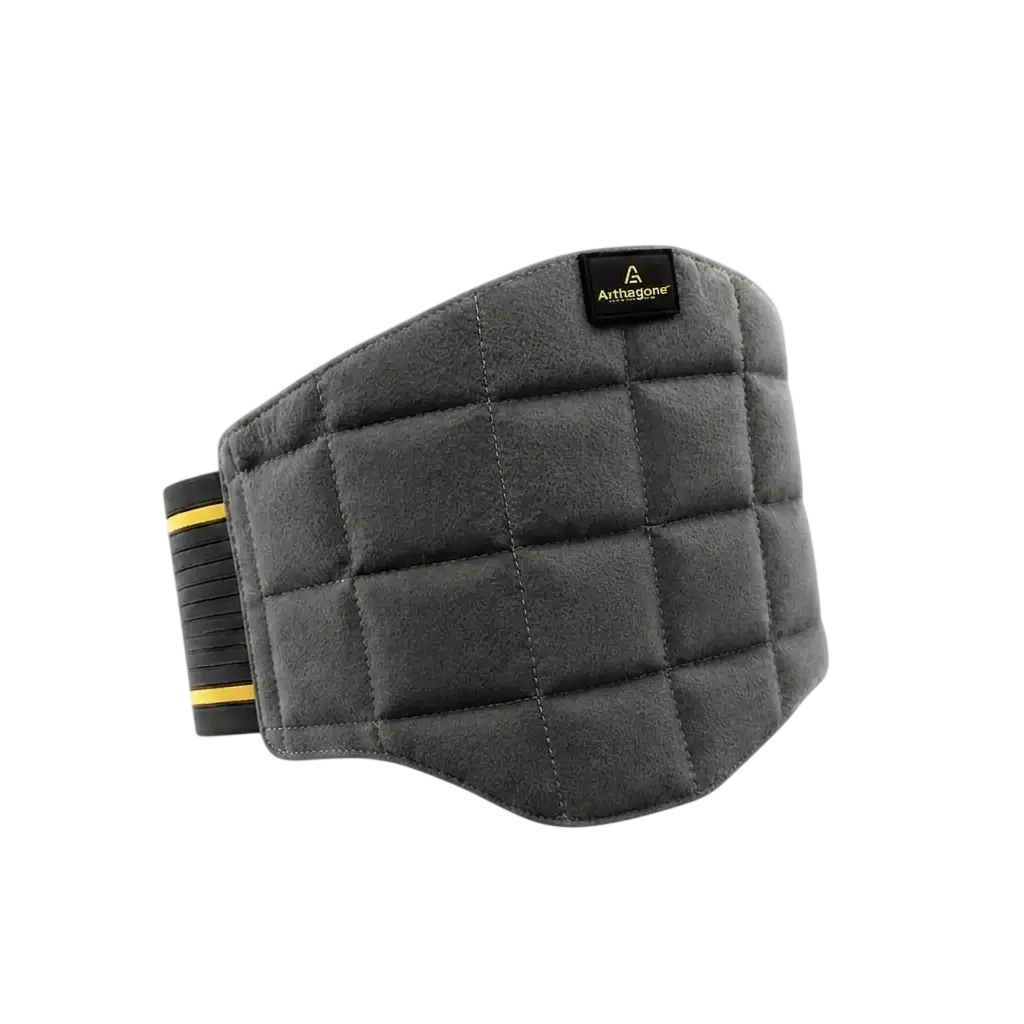

Can a Lower Back Support Brace Help Improve Posture?
Sitting for long hours, lifting heavy objects the wrong way, and slouching in front of a screen all take a toll on your spine over time. Many people search for quick fixes and land on one common question: does wearing a Lower Back Support Brace actually improve posture, or is it just a temporary comfort tool? Arthagone™ designs support braces that address exactly this concern, helping users maintain spinal alignment while going about their daily routine. This article breaks down how these braces work, who benefits from them, and how to use one correctly for lasting posture improvement.
Key Takeaways
- A Lower Back Support Brace helps align the spine and reduces slouching by limiting excessive forward or backward bending.
- Wearing a back support brace regularly can retrain muscles to hold a more upright position over time.
- A lumbar support brace works best when combined with core-strengthening exercises and ergonomic adjustments.
- Not all posture problems come from weak muscles alone; some stem from prolonged bad habits that a back brace for daily use can help correct.
- Choosing the right lumbar support for posture depends on your body type, activity level, and the severity of your posture issue.
Understanding how a Lower Back Support Brace functions starts with understanding the spine itself. The lower back, or lumbar region, carries most of your body’s weight and absorbs stress from sitting, standing, walking, and lifting. When the muscles surrounding this area weaken or the natural curve of the spine shifts due to habitual slouching, posture problems begin. A back support brace steps in by applying gentle, consistent pressure that pulls the shoulders back and keeps the spine in a neutral position, preventing the body from collapsing into a slumped stance.
How a Back Support Brace Improves Posture
A back support brace doesn’t just hold you upright artificially; it works with your body’s natural mechanics. Here’s how the process unfolds:
1. Spinal Alignment Support: The brace applies pressure along the lumbar curve, gently guiding the spine into its natural S-shape. This reduces the tendency to hunch forward, especially during long periods of sitting.
2. Muscle Memory Training: Wearing a lumbar support brace consistently teaches your muscles what proper alignment feels like. Over weeks of use, many people find they can maintain better posture even without the brace, because their muscles have adapted to holding that position.
3. Reduced Strain on Weak Muscles: For individuals recovering from injury or dealing with chronic lower back pain, a lower back support belt takes pressure off strained muscles, allowing them to heal while still supporting daily activities.
4. Postural Awareness: Simply wearing a brace increases body awareness. The physical reminder against your lower back nudges you to correct your posture consciously throughout the day, which reinforces the habit long-term.
Does a Lower Back Brace Help With Posture for Everyone?
The question “does a lower back brace help with posture” doesn’t have a one-size-fits-all answer. Braces work exceptionally well for people who:
- Sit at a desk for 6+ hours daily
- Stand for extended periods at work
- Have mild to moderate postural imbalances
- Are recovering from a minor back strain
- Need extra support during physical labor or lifting
However, a brace alone won’t fix severe spinal conditions like scoliosis or herniated discs. In these cases, a brace serves as a supportive tool alongside physical therapy, not a standalone cure.
Choosing a Lumbar Support Brace for Daily Use
Selecting the right back brace for daily use matters just as much as wearing one. Consider these factors before buying:
- Material and Breathability: Look for breathable fabric that won’t cause irritation during extended wear, especially in warmer climates.
- Adjustable Straps: A brace with adjustable compression lets you customize the fit as your body changes throughout the day.
- Rigid vs. Flexible Support: Rigid braces suit people needing firm correction, while flexible ones work better for mild posture issues or preventive use.
- Size and Coverage: The brace should cover the entire lumbar region without riding up or digging into your hips.
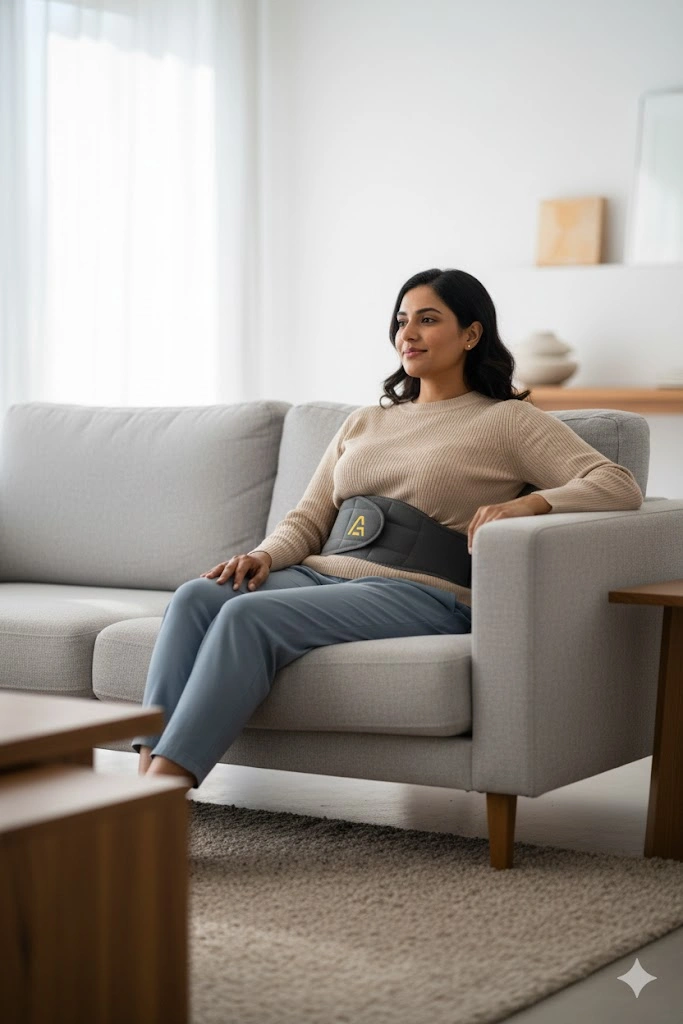
How to Correct Poor Posture With Back Support
Learning how to correct poor posture with back support requires more than just strapping on a brace and forgetting about it. Follow these steps for the best results:
- Start Gradually: Wear the brace for 1-2 hours initially, then increase duration as your body adjusts.
- Combine With Stretching: Pair brace use with hip flexor and hamstring stretches to release tension that pulls the pelvis out of alignment.
- Strengthen Your Core: Planks, bridges, and bird-dog exercises build the muscular support your spine needs once you reduce brace dependency.
- Adjust Your Workspace: Position your monitor at eye level and keep your chair supporting your lower back curve, even when wearing a brace.
- Monitor Your Progress: Take note of how your posture feels without the brace every few weeks to track improvement.
Making Lumbar Support Part of Your Daily Routine
A Lower Back Support Brace delivers the most benefit when it becomes part of a consistent routine rather than an occasional fix. Wearing it during high-strain activities, such as lifting groceries, gardening, or long commutes, protects your lower back while reinforcing correct alignment patterns. Over time, this consistency translates into a body that naturally gravitates toward better posture, even during moments when the brace isn’t on.
If you’re ready to give your spine the support it needs, exploring the Arthagone™ range of lumbar support braces is a practical next step. Their designs focus on breathable materials, adjustable compression, and ergonomic shaping, making them a fitting choice for anyone looking to correct posture, ease lower back strain, or simply move through the day with better spinal support.
FAQs
Q1: How long should I wear a lower back support brace each day?
Most people start with 1-2 hours and gradually increase to 4-6 hours during high-strain activities. Wearing it all day, every day, isn’t recommended, as your core muscles need to stay active too.
Q2: Can a lumbar support brace fix bad posture permanently?
A brace helps retrain your muscles and spine alignment, but permanent improvement usually requires combining brace use with core-strengthening exercises and ergonomic changes.
Q3: Is a back support brace safe to wear during exercise?
Yes, many people wear a lower back support belt during lifting or high-impact activities to reduce strain, though it shouldn’t replace proper lifting technique.
Q4: Will wearing a brace weaken my back muscles over time?
Extended, non-stop use without breaks can reduce muscle engagement. Alternating brace use with brace-free periods and strengthening exercises prevents this.
Q5: What’s the difference between a lumbar support brace and a regular belt?
A lumbar support brace is specifically designed with targeted panels and adjustable compression for spinal alignment, while a regular belt lacks this ergonomic structuring.