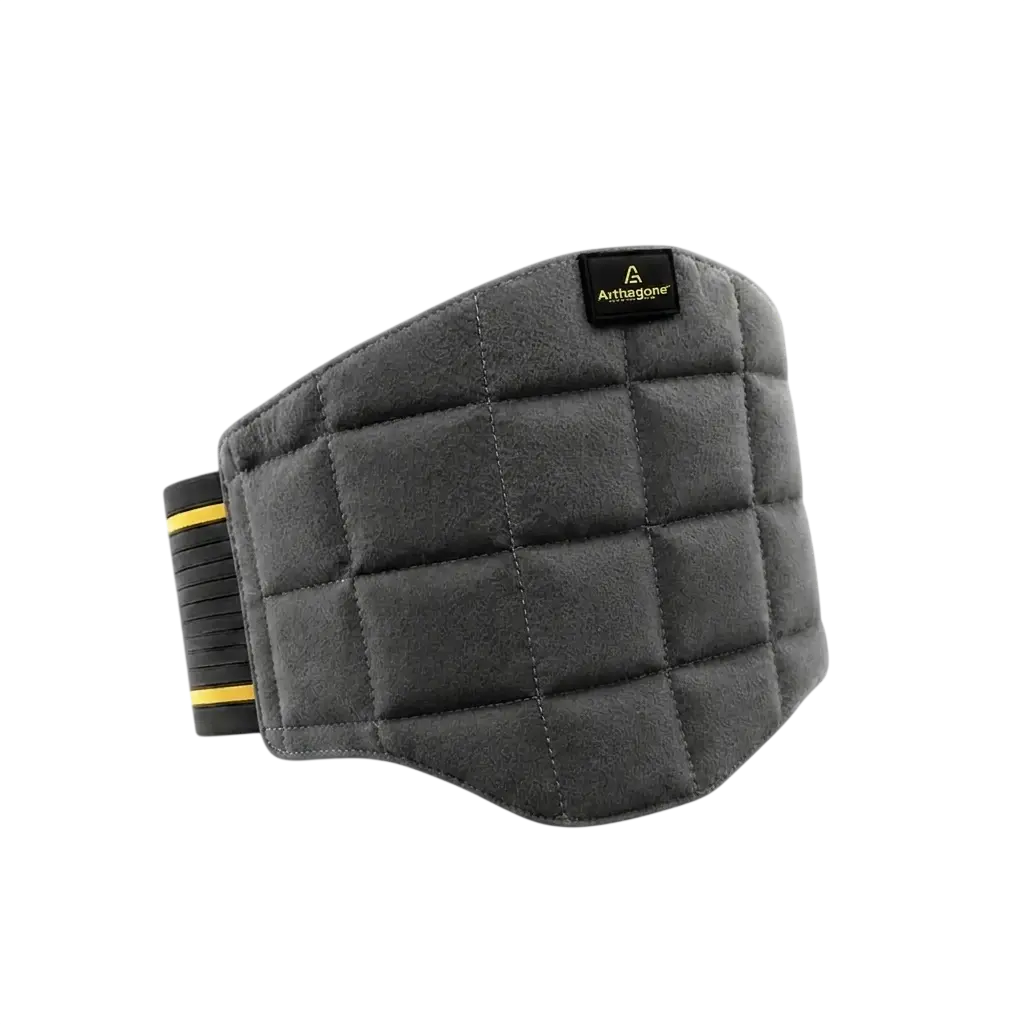

Why Consider a Back Brace for Office Workers? A Complete Guide
Sitting through back-to-back meetings, deadlines, and screen time takes a toll on your spine. Office workers’ back pain shows up as a dull ache by noon, tight shoulders by three, and a stiff lower back by the time you log off. Arthagone™ helps desk professionals explore practical posture support, including a back brace for office workers, so they can work comfortably and stay focused. This guide explains why the pain starts, how bracing helps, and which habits keep your back strong.
Key Takeaways
- Long hours of sitting strain the lower back, and slouching multiplies that strain.
- A brace cues your body to hold a neutral spine and shares the workload with tired muscles.
- Back support for office workers works best alongside movement, stretching, and a well-set workstation.
- Fit, adjustability, and breathable fabric matter more than price.
- Persistent or sharp pain calls for a visit to a healthcare professional.
Why Desk Workers Struggle With Back Pain
A back brace for office workers targets a problem that starts with ordinary habits. You lean toward the screen, cross your legs, and sink into the chair without noticing. Each small shift loads your spinal discs and tires the muscles that hold you upright.
Over weeks, those muscles weaken. Your core stops sharing the load, and your lower back absorbs the pressure. Stiffness and sharp twinges follow. Many people blame age, but hours of unsupported sitting usually drive office workers’ back pain.

What Prolonged Sitting Does to Your Spine
Your spine has a natural S-curve that spreads weight evenly. When you slump, the lower curve flattens and the upper back rounds forward. That posture compresses the lumbar discs and stretches the ligaments behind them.
Sitting also shortens your hip flexors, which pull your pelvis out of alignment. Weak glutes and tight hips force your lower back to compensate, so the pain often spreads into your hips, shoulders, and neck.
Benefits of Back Braces for Desk Workers
The benefits of back braces for desk workers go beyond simple compression. A back brace for office workers delivers these practical gains:
- Posture feedback: The brace nudges you whenever you start to slouch, so you correct yourself faster.
- Muscle relief: External support shares the load with stabilizer muscles and reduces end-of-day fatigue.
- Lumbar stability: A snug fit keeps your lower spine neutral during long meetings.
- Soothing warmth: Light compression warms stiff muscles, which many users find comforting.
- Habit building: Short wear sessions train your body to remember good alignment.
Treat the brace as a training aid. Wear it during your longest sitting stretches, and let your own muscles take over as they strengthen.
How to Choose Ergonomic Back Support
Use these checks when you compare options:
- Adjustability: Pick straps or panels that let you tighten or loosen the fit as your body changes through the day.
- Lumbar coverage: Effective lumbar support for office workers cradles the curve of your lower back without restricting breathing or hip movement.
- Breathable fabric: Mesh and moisture-wicking materials keep you cool under office clothing.
- Slim profile: A low-profile design slides under a shirt or blazer, so you can wear it through client calls.
- Seated comfort: Test the fit while sitting. Bulky edges that dig into your hips defeat the purpose.
Ergonomic back support performs best when your brace, chair, and desk work as a team. Add a lumbar cushion or choose a chair with built-in curve support for extra help.
Does a Back Brace Really Help?
A brace reduces strain and improves posture awareness, particularly for mild, posture-related discomfort. It does not repair injured tissue or replace medical care. Think of it as a support tool that keeps your spine aligned while you build strength through exercise.
How to Prevent Back Pain From Sitting at a Desk
If you want to know how to prevent back pain from sitting at a desk, start with your setup and build from there:
- Set your chair height. Keep your feet flat and your knees level with or slightly below your hips.
- Align your monitor. Place the top of the screen at eye level, an arm’s length away.
- Keep elbows at 90 degrees. Rest your forearms on the desk so your shoulders stay relaxed.
- Move every 30 to 45 minutes. Stand, walk, or stretch for two minutes.
- Strengthen your core. Planks, glute bridges, and bird-dogs build the muscles that hold your spine upright.
- Stretch your hips and chest. Hip flexor and doorway stretches counter the forward-folded sitting position.
These habits cost nothing and take only minutes. Pair them with supportive gear, and your back handles the workday with less strain.
Back Support That Fits Your Workday
A well-fitted back brace for office workers gives your spine steady support while you stay productive through long hours. Arthagone™ designs its support products for first-time users and everyday comfort, with adjustable straps, breathable fabric, and a slim fit that sits discreetly under work clothes. Anyone comparing options can look into how a properly sized brace fits into their daily schedule and works alongside the stretching and movement habits already in place.
FAQs
1. Can I wear a back brace all day at my desk?
Most people wear a brace for one to three hours at a time. Extended use can reduce natural muscle engagement, so remove it between sessions.
2. Does a back brace fix bad posture permanently?
A brace builds awareness and reduces strain, but strong muscles create lasting posture. Combine it with core exercises and regular movement.
3. What is the difference between a lumbar cushion and a brace?
A cushion supports your back against the chair only. A brace wraps your torso and supports you while sitting, standing, and walking.
4. Should I wear the brace over or under my clothes?
Wear it over a thin base layer for comfort and grip. Direct skin contact works if your skin tolerates it.
5. Who should check with a doctor first?
Anyone with spinal injuries, nerve issues, or pain that lasts more than a couple of weeks should see a healthcare professional before using a brace.