
Top Reasons to Try a Back Pain Relief Belt for Lower Back Pain
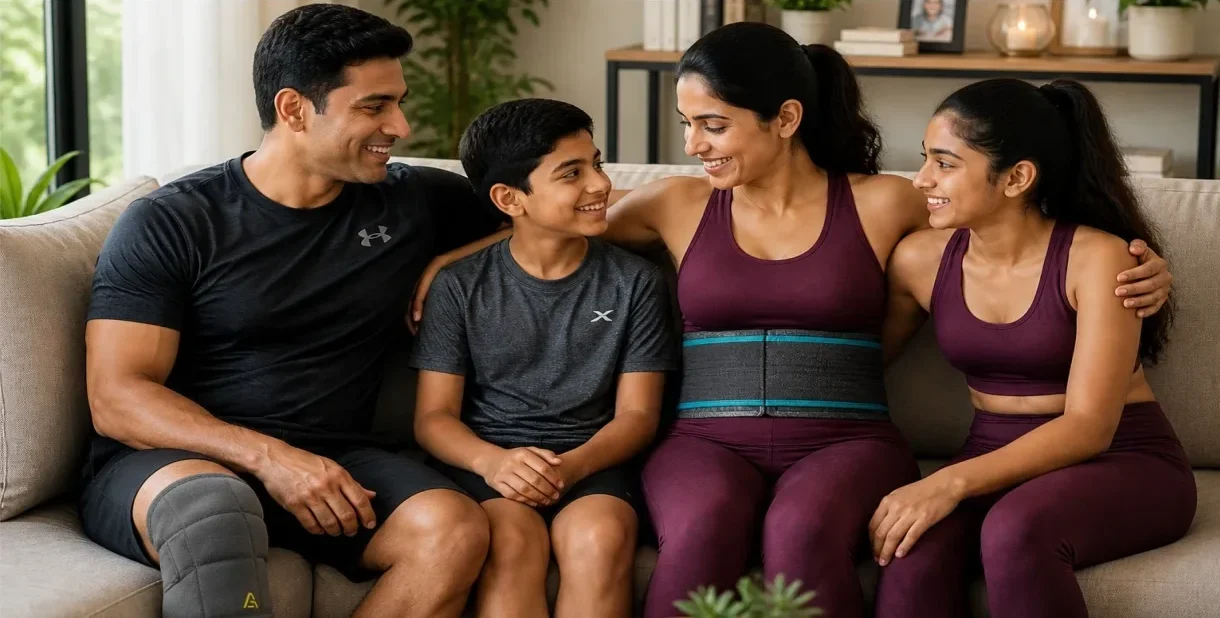
Lower back pain disrupts daily life in ways that go far beyond physical discomfort. It affects posture, mood, sleep quality, and the ability to perform even basic tasks like bending, lifting, or sitting for long hours. Many people search for quick fixes, but most standard solutions only offer surface-level compression. Arthagone™ takes a different route by combining external support with an active powder-infused design worn directly on the skin, addressing pain in a way generic belts don’t attempt. This article breaks down why a back pain relief belt deserves a place in your daily routine and how it supports long-term spinal health.
Key Takeaways
- A back pain relief belt stabilizes the lumbar region and reduces strain during movement.
- Proper posture support eases pressure on spinal discs and surrounding muscles.
- These belts work well for people with sedentary jobs, active lifestyles, or recovery needs.
- Skin-contact, active-powder technology sets certain belts apart from standard elastic wraps.
- Wearing the belt for 4-5 hours daily, rather than all day, delivers the best results.
A back pain relief belt is designed to do more than simply wrap around the waist. It applies controlled compression to the lumbar spine, helping distribute weight more evenly across the lower back. This reduces the load on muscles and ligaments that would otherwise bear the brunt of standing, walking, or lifting. For people dealing with chronic discomfort or occasional flare-ups, this kind of external support makes daily movement noticeably easier.
Why People Turn to a Lower Back Support Belt
Lower back pain often stems from poor posture, muscle fatigue, or repetitive strain. A lower back support belt addresses these issues directly by holding the spine in a more neutral position. This reduces the tendency to slouch or overextend, which are common triggers for pain. Office workers who sit for extended periods, warehouse staff who lift frequently, and people recovering from minor injuries all benefit from this added structural support.
The belt also acts as a reminder to maintain good posture. When the lower back receives gentle support, the body naturally adjusts to a more upright and aligned position. Over time, this reduces the frequency of pain episodes and prevents minor discomfort from turning into a chronic issue.
Orthopedic Back Support Belt Benefits for Daily Activities
An orthopedic back support belt is built with medical-grade design principles in mind. Unlike casual fitness belts, these are engineered to address specific musculoskeletal concerns. Certified designs often include reinforced panels, adjustable straps, and breathable materials that keep the lower back stable without restricting overall movement.
People recovering from strain, stiffness, or general joint weakness often find these belts particularly useful. The added stability reduces the risk of sudden movements aggravating an already sensitive area. Even without a diagnosed condition, wearing an orthopedic-style belt during physically demanding tasks lowers the chance of developing new strain.
Lower Back Pain Relief Through Consistent Support
Consistent use plays a major role in achieving lasting lower back pain relief. A single day of wearing a belt won’t reverse years of poor posture or repeated strain, but regular use during high-risk activities builds a pattern of better spinal alignment. This holds especially true for people whose jobs involve prolonged sitting, standing, or lifting.
The relief isn’t just physical. Knowing that the lower back has extra support reduces the mental strain of worrying about movement, allowing people to focus on their tasks rather than anticipating pain.

How to Use a Back Pain Relief Belt Correctly
Knowing how to use a back pain relief belt properly determines how effective it turns out to be. Positioning matters: the belt should sit snugly and directly on the skin around the lower back, not too high near the ribs or too low near the hips. Straps should tighten enough to provide firm support without restricting breathing or circulation.
Most certified belts, including skin-contact designs, work best when worn for around 4-5 hours a day rather than continuously. This gives the surrounding muscles time to rest and re-engage naturally, while still allowing the belt to do its job during demanding activities like lifting, walking, or long hours of sitting. Wearing it consistently across several days, rather than expecting instant results from a single use, tends to bring noticeably better outcomes.
Does a Back Pain Relief Belt Really Work?
This is one of the most common questions people ask before trying one. The answer depends on the underlying cause of the pain and how the belt gets used. For mechanical issues like poor posture, muscle fatigue, or minor strain, a back pain relief belt often provides noticeable improvement. It supports the lumbar spine, reduces unnecessary movement, and helps muscles recover by taking some of the load off them.
Belts that go beyond basic compression, using active-powder or skin-contact technology, are designed to work on two levels at once: external stabilization and support for the body’s natural circulation and recovery process. For more serious conditions, such as nerve compression or structural spinal damage, a belt should be used alongside professional medical guidance rather than as a standalone solution. Used correctly and consistently, most people report reduced discomfort and improved ability to perform daily tasks.
What Sets Arthagone™ Apart
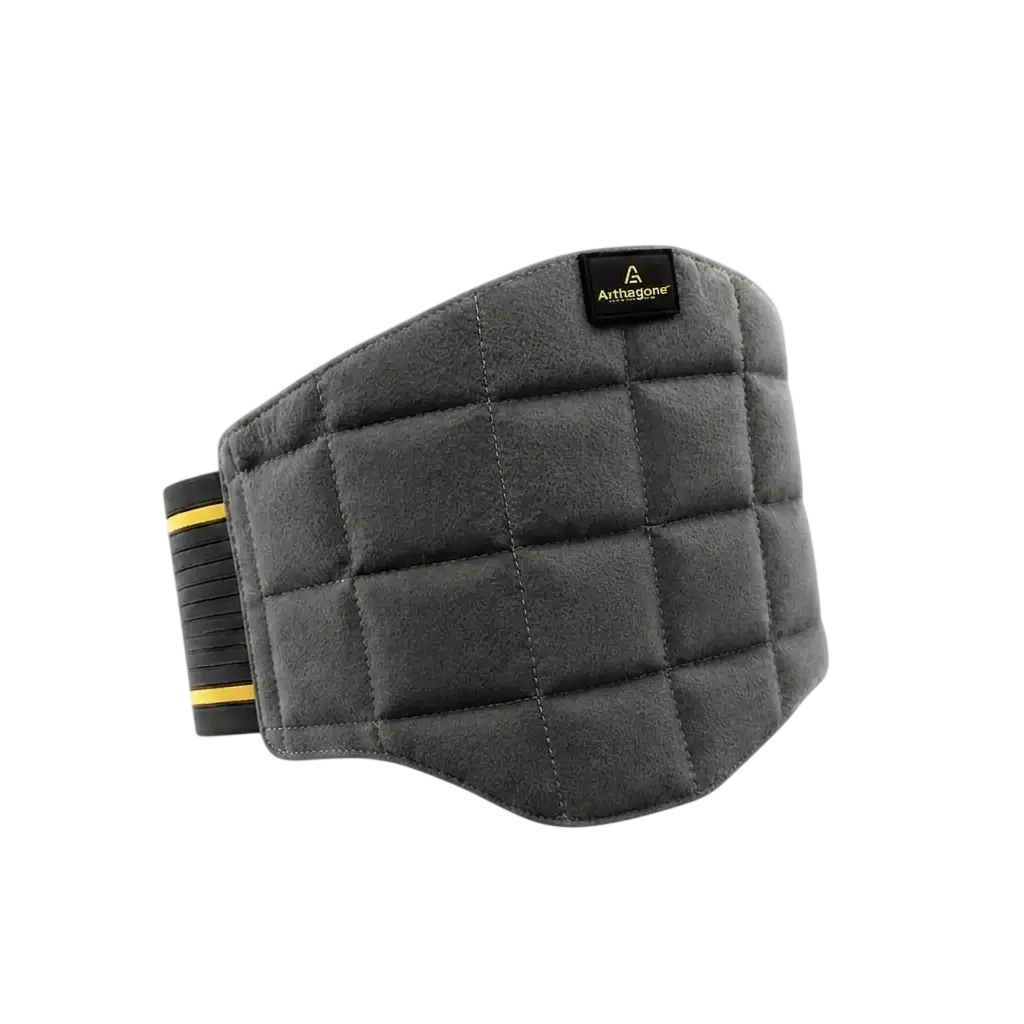
Most back support products on the market rely purely on elastic straps and mechanical compression. Arthagone™ takes a different approach. Its belts feature a scientifically developed, non-invasive, non-toxic, and antibiotic-free active powder infused directly into the fabric, worn against the skin rather than over clothing. This design is built to support the body on two fronts at once: gentle targeted compression that stabilizes the lumbar region and reduces strain, alongside supporting the body’s natural blood circulation and fluid absorption to help ease swelling and pressure around the affected area.
This combination, external stabilization paired with skin-contact active-powder technology, is something a standard fabric or neoprene back belt simply isn’t built to offer. Most generic belts stop at holding the spine in place, while this dual-action design also works with the body’s own circulation and recovery process, addressing discomfort from the inside as well as the outside.
For anyone whose daily routine keeps getting interrupted by lower back pain, exploring a support option built on this kind of skin-contact technology could be worth adding to the mix.
FAQs
1. Can a back pain relief belt be worn all day?
It’s better to wear it for a defined period, typically around 4-5 hours, rather than continuously, so surrounding muscles stay active and don’t weaken over time.
2. Is a lower back support belt suitable for people with desk jobs?
Yes, it helps maintain posture and reduce strain during long sitting hours, especially when combined with regular movement breaks.
3. How long does it take to feel relief after using an orthopedic back support belt?
Many people notice improved support immediately, while reduced pain and better posture habits typically develop over consistent use across several days to weeks.
4. Does a back pain relief belt help with sciatica?
It can ease pressure on the lower back that may contribute to sciatic discomfort, though persistent nerve-related pain should be evaluated by a healthcare professional.
5. What makes a skin-contact, active-powder belt different from a regular back belt?
A regular belt only applies external compression, while a skin-contact, active-powder design also supports circulation and fluid absorption