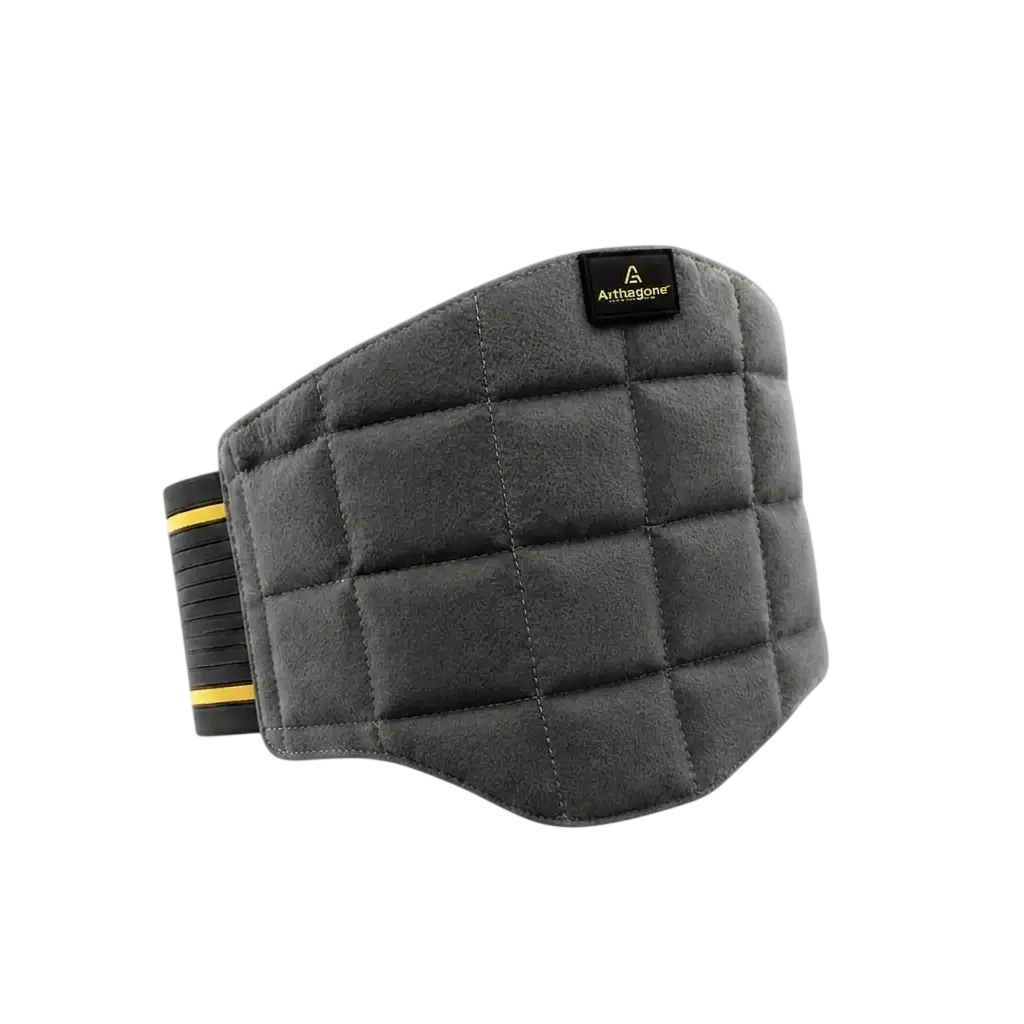

How to Correct Poor Posture with the Right Back Brace for Posture Correction
Poor posture creeps up on almost everyone. Long hours at a desk, constant phone scrolling, and weak core muscles slowly pull the shoulders forward and round the spine. Over time, this posture drift causes neck pain, lower back stiffness, and reduced confidence in how a person stands and moves. The good news is that the right support tool can retrain the body and reverse many of these effects. Arthagone™ designs posture support solutions that help people rebuild alignment habits without disrupting daily routines. This guide breaks down how to choose and use a back brace correctly, so posture correction becomes a sustainable process rather than a quick fix.
Key Takeaways
- Poor posture develops from muscle imbalance, weak core strength, and prolonged sitting or screen use.
- A Back Brace for Posture Correction works by gently pulling the shoulders back and supporting the spine’s natural curve.
- The best results come from combining brace support with stretching, strengthening, and ergonomic adjustments.
- Choosing the right brace depends on fit, adjustability, breathability, and the level of support needed.
- Consistent, gradual wear produces better long-term results than wearing a brace for extended hours all at once.
A Back Brace for Posture Correction is designed to hold the shoulders and spine in a healthier position while the body adjusts to new movement patterns. It works passively at first, giving muscles a physical reminder of proper alignment, and over time it helps train those muscles to hold that position on their own. People use these braces during work hours, workouts, or daily chores to reduce slouching and ease strain on the neck and lower back. A Posture Corrector Brace does not replace exercise, but it accelerates the process by reinforcing correct spinal alignment throughout the day, making it easier to build lasting postural habits.
What Causes Poor Posture in the First Place
Poor posture rarely happens overnight. It builds gradually through repeated habits such as:
- Sitting for long stretches without back support
- Looking down at phones or laptops for hours
- Carrying heavy bags on one shoulder
- Weak core and upper back muscles
- Lack of movement or stretching breaks
These habits pull the shoulders forward and round the upper spine, creating a cycle where weak muscles allow more slouching, and more slouching weakens the muscles further. Breaking this cycle requires both awareness and physical support, which is where a Back Support Brace for Posture becomes useful.

How a Back Brace Helps with Posture Correction
A well-designed brace applies gentle, consistent tension across the shoulders and upper back. This tension does three things:
- Realigns the spine by pulling the shoulders back into a neutral position.
- Reduces strain on the neck, shoulders, and lower back by redistributing load.
- Builds muscle memory so the body starts recognizing and maintaining proper alignment even without the brace.
This is often the exact question people ask before buying one: how does a back brace help with posture correction? The answer lies in repetition. Muscles respond to consistent positional cues, and a brace provides that cue far more reliably than willpower alone. Over weeks of regular use paired with light exercise, many users notice straighter standing posture, less midday fatigue, and reduced tension headaches caused by forward head posture.
Can a Back Brace Fix Poor Posture Completely?
A brace supports correction, but it works best as part of a broader routine. Wearing a brace without addressing the underlying muscle weakness or sitting habits limits long-term results. When paired with:
- Core and upper back strengthening exercises
- Regular movement breaks during desk work
- An ergonomic chair and monitor setup
- Stretching for tight chest and shoulder muscles
a Posture Correction Support brace becomes a genuinely effective tool. It shortens the time needed to build new habits and reduces pain during the adjustment period, rather than acting as a permanent crutch.
Does a Posture Corrector Brace Really Work?
Yes, when it is used correctly and consistently. A posture corrector brace works by limiting the range of motion that leads to slouching, which forces the body to engage postural muscles more actively. Research on postural support devices generally shows short-term improvements in spinal alignment and reduced discomfort, especially for people with sedentary jobs. The results depend heavily on fit, wear duration, and whether the person also works on strengthening their back and core over time.
How to Choose the Best Back Brace for Posture Correction
Not every brace suits every body type or activity level. Consider these factors before buying:
Fit and Adjustability: Look for adjustable straps that allow a customized fit around the shoulders and torso, since a loose brace won’t apply enough correction and a tight one can restrict breathing.
Material and Breathability: Breathable, moisture-wicking fabric prevents discomfort during longer wear, especially in warmer climates or during physical activity.
Support Level: Mild posture reminders work well for beginners, while firmer support suits people recovering from injury or dealing with more pronounced slouching.
Ease of Use: A brace that can be put on and removed independently, without help from another person, encourages more consistent daily use.
Discreet Design: A slim profile that fits under clothing makes it easier to wear during work hours without drawing attention.
Tips for Using a Back Brace Correctly
- Start with short sessions of 30 to 60 minutes and gradually increase wear time.
- Avoid wearing the brace during sleep unless specifically advised.
- Pair brace use with daily stretching and strengthening routines.
- Take breaks if the skin feels irritated or muscles feel fatigued.
- Reassess posture progress every few weeks to adjust wear duration.
Gradual, mindful use prevents over-reliance on the brace and encourages the muscles to take over the corrective work as they strengthen.
Choosing a well-fitted, adjustable brace and pairing it with a few minutes of daily stretching can make the difference between short-term relief and lasting postural change. Arthagone™ focuses on adjustable, breathable designs built for exactly this kind of daily, gradual correction, making it easier to stay consistent without sacrificing comfort during work or workouts.
Frequently Asked Questions
1. Can a back brace fix poor posture?
A back brace can significantly improve poor posture by realigning the shoulders and spine, but full correction usually requires pairing it with strengthening exercises and better ergonomic habits.
2. Does a posture corrector brace really work?
Yes, when worn consistently and correctly, a posture corrector brace helps reduce slouching, ease muscle strain, and reinforce healthier alignment habits over time.
3. How does a back brace help with posture correction?
It provides physical support that gently pulls the shoulders back, reducing strain on the spine while training the muscles to hold that position naturally.
4. How long should I wear a posture brace each day?
Most people benefit from starting with 30 to 60 minutes daily and gradually increasing wear time as their muscles adapt.
5. Can I wear a posture brace during exercise?
Light to moderate exercise is generally fine with a posture brace, though heavier lifting sessions may require removing it to allow full range of motion.
6. Is it normal to feel sore after wearing a back brace?
Mild soreness is common at first as muscles adjust to new alignment, but persistent pain or irritation means the fit or duration needs adjusting.