
A Beginner’s Guide to Choosing the Right Back Support Belt for Back Pain
Back pain interrupts daily life in ways that go far beyond discomfort. It affects how you sit at your desk, how you lift groceries, and even how you sleep at night. If you’re exploring options to manage this pain, you’ve probably come across dozens of products claiming to offer instant relief. Choosing the right one, however, requires more than picking the first option you see online. This guide walks you through everything a beginner needs to know before buying a support belt, including what Arthagone™ brings to the table with its distinct approach to back support.
Key Takeaways
- A back support belt stabilizes the lower spine and reduces strain during movement or prolonged sitting.
- The right fit, material, and compression level matter more than brand popularity alone.
- Not every belt suits every body type or pain condition, so understanding your specific need comes first.
- Daily-use belts differ from belts designed for heavy lifting or intense physical activity.
- Technology built into the belt’s design can significantly change how effectively it supports your spine.
What a Back Support Belt for Back Pain Actually Does
A back support belt for back pain works by compressing and stabilizing the lumbar region, which reduces the load placed on your spinal muscles and discs. When you stand, bend, or lift something, your lower back absorbs a significant amount of pressure. A well-designed belt redistributes that pressure across a wider surface area, easing tension on the muscles that would otherwise bear the full weight.
Many people assume any elastic band wrapped around the waist qualifies as adequate support. That assumption often leads to disappointment. Genuine support comes from proper compression, breathable materials, and structural elements like flexible stays or panels that hold the spine in a neutral position. Without these features, a belt may feel snug but offer little functional benefit.
How to Choose a Back Support Belt That Actually Works
Selecting the right product starts with identifying your pain source. Someone recovering from a minor strain has different needs than someone managing chronic lower back discomfort or someone who lifts heavy objects at work. Here’s what to evaluate before making a purchase:
Size and fit: A belt that’s too loose won’t provide compression, while one that’s too tight restricts circulation and breathing. Measure your waist accurately and check the brand’s specific sizing chart rather than guessing based on standard clothing sizes.
Material breathability: Since you’ll likely wear the belt for extended periods, look for moisture-wicking or breathable fabric that prevents skin irritation, especially during warmer months or physical activity.
Adjustability: Straps and closures should allow you to fine-tune compression throughout the day, since your comfort level may shift depending on posture or activity.
Support structure: Belts with rigid or semi-rigid panels along the spine offer more targeted support compared to belts made from stretchy fabric alone.
Purpose-specific design: A lower back support belt meant for gym use often differs structurally from one designed for office workers who sit for hours.
Back Support Belt Benefits Beyond Pain Relief
While pain reduction remains the primary goal, a quality support belt offers several additional advantages. It encourages better posture by gently reminding your body to avoid slouching. It reduces the risk of further injury during physical tasks like lifting or bending. It can also improve confidence in movement for people who’ve been avoiding activity out of fear of aggravating their condition.
For people recovering from minor injuries or surgery, doctors sometimes recommend a belt as part of a broader recovery plan, alongside physiotherapy or prescribed exercises. The belt doesn’t replace treatment, but it supports the healing process by limiting unnecessary strain.
Best Back Support Belt for Back Pain: What Separates a Good One From a Great One
Not all support belts perform equally, even when they look similar on the surface. The best back support belt for back pain typically combines three elements: consistent compression, ergonomic shaping that follows the body’s natural curve, and durable construction that maintains its support over months of regular use.
Cheaper alternatives often lose elasticity quickly or fail to provide even pressure, leaving gaps that reduce their effectiveness. A quality belt maintains its shape and support level even after repeated wear and washing.
Choosing a Back Support Belt for Daily Use
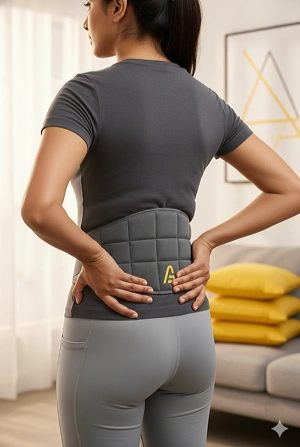
A back support belt for daily use needs to strike a balance between support and comfort, since you’ll be wearing it under clothing, at work, or during household tasks. Look for a low-profile design that doesn’t create visible bulk, along with breathable panels that prevent overheating during long wear.
Daily-use belts also benefit from lightweight construction. A bulky, rigid belt might work well for short-term heavy lifting, but wearing something that restrictive for eight or more hours a day becomes impractical and uncomfortable.
What Makes Arthagone™ Different From Generic Pain Relief Belts
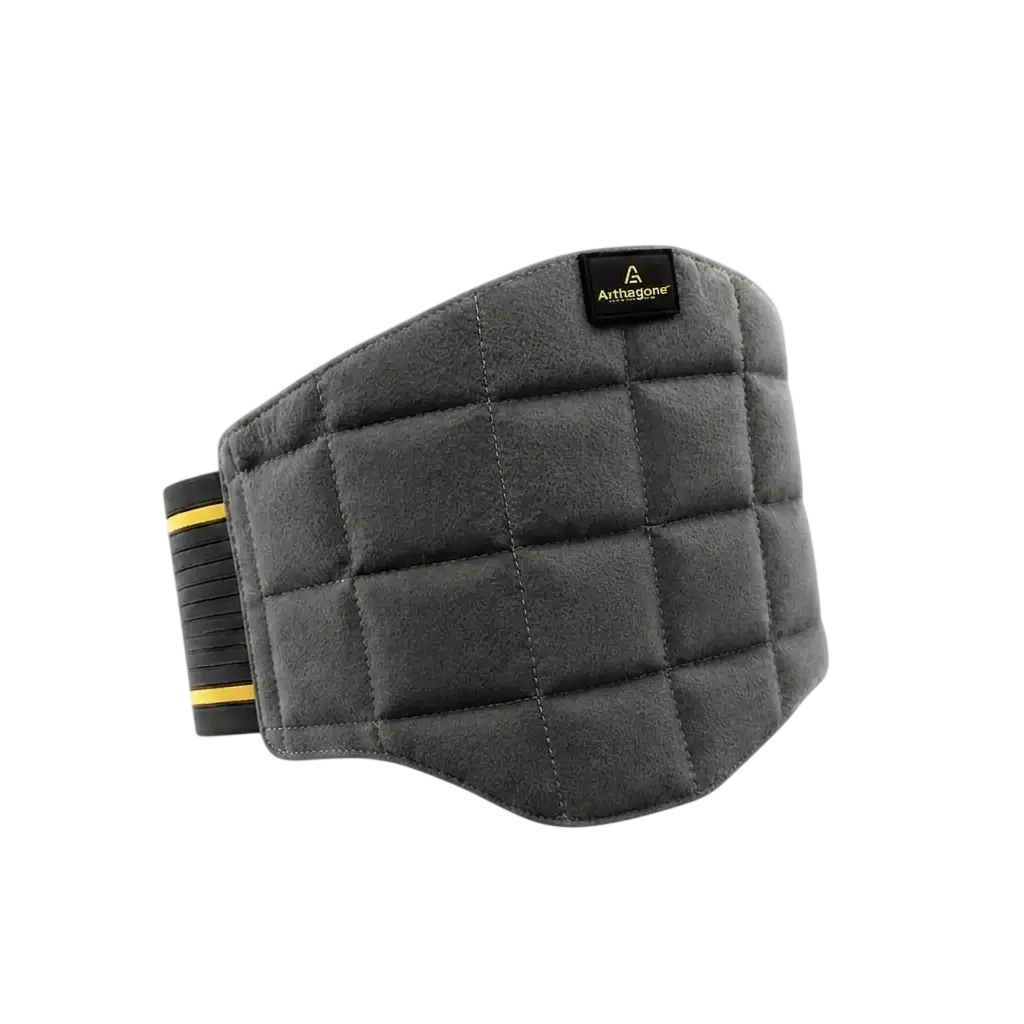
This is where Arthagone™ takes a noticeably different approach compared to standard belts on the market. Rather than relying on basic elastic compression alone, Arthagone™ incorporates a proprietary support technology built into the belt’s internal structure. This technology is engineered to distribute pressure more evenly across the lumbar region while adapting to natural body movement, something generic pain relief belts typically don’t offer. Most standard belts apply uniform pressure regardless of posture change, which can leave certain areas under-supported during bending or twisting motions. Arthagone’s design responds dynamically, maintaining consistent support whether you’re sitting, standing, or moving throughout your day.
This distinction matters because back pain isn’t static. Your body shifts positions constantly, and a belt that only performs well in one posture leaves gaps in protection during the rest of your day.
If you’ve been relying on temporary fixes or belts that lose their support within weeks, exploring a product built around this kind of adaptive technology might be worth your time before your next purchase.
Frequently Asked Questions
1. How long should I wear a back support belt each day?
Most experts recommend wearing it during activities that strain your back, rather than continuously all day, to avoid muscle dependency.
2. Can a back support belt for back pain cure the underlying issue?
No. It manages symptoms and reduces strain, but it doesn’t treat the root cause of chronic conditions like herniated discs or arthritis.
3. Is a tighter belt always better for support?
Not necessarily. Excessive tightness can restrict circulation and breathing without adding meaningful support benefits.
4. Can I wear a back support belt while exercising?
Yes, for activities involving lifting or repetitive bending, but check with a healthcare provider first if you have an existing spinal condition.
5. How do I know if I need a lower back support belt versus a full back brace?
A lower back support belt suits most everyday lumbar pain, while a full brace is typically reserved for more severe spinal issues under medical guidance.