
Knee Brace for Pain Relief: Types, Benefits, and How They Work
Knee pain affects millions of people, whether it stems from arthritis, an old sports injury, or the everyday wear and tear of walking and standing. Many people search for a reliable knee brace for pain relief to help them move comfortably again without relying solely on medication. A good brace stabilizes the joint, reduces strain on damaged tissue, and supports the muscles surrounding the knee. Brands like Arthagone™ design braces that combine compression, support, and flexibility to help people manage pain while staying active throughout their day.
Key Takeaways
- A knee brace for pain relief stabilizes the joint and reduces stress on damaged ligaments or cartilage.
- Different brace types suit different needs, including arthritis, sports injuries, and daily walking support.
- Wearing a brace correctly improves its effectiveness and prevents further irritation.
- Compression-based knee support for pain relief improves circulation and reduces swelling.
- Choosing the right brace depends on the cause and severity of your knee pain.
Choosing the right knee brace for pain relief starts with understanding why your knee hurts in the first place. Pain from arthritis behaves differently than pain from a torn ligament, and each condition responds better to a specific type of brace. Understanding these differences helps you make a more informed choice instead of grabbing the first brace you find online.
Why People Turn to a Knee Brace for Pain Relief
Knee braces work by limiting excessive movement, redistributing pressure away from painful areas, and offering compression that reduces inflammation. Physical therapists often recommend them alongside exercise and stretching routines because they support healing without fully immobilizing the joint. Unlike surgery or long-term medication, a brace offers a non-invasive way to manage discomfort while you continue daily activities.
People experiencing chronic joint issues, recovering from an injury, or dealing with post-surgical discomfort all benefit from added knee support for pain relief. The brace acts as an external support system, taking pressure off weakened muscles and ligaments so the knee can function more normally.
Types of Knee Braces and Their Uses
Knee Brace for Arthritis Pain
Arthritis wears down cartilage over time, causing stiffness, swelling, and discomfort during movement. A knee brace for arthritis pain typically includes hinged support and adjustable straps that stabilize the joint while allowing a natural range of motion. These braces often feature a design that shifts weight away from the most affected area of the knee, easing pressure on worn-down cartilage.
Knee Brace for Walking
People who spend long hours on their feet often need a knee brace for walking that offers lightweight support without restricting mobility. These braces usually include breathable materials and moderate compression, making them comfortable for extended wear. They help reduce fatigue and prevent the joint from overcompensating due to muscle weakness.
Knee Brace for Sports Injuries
Athletes recovering from ligament strains, meniscus tears, or general overuse injuries often rely on a knee brace for sports injuries. These braces provide firmer stabilization, often with side supports or hinges that prevent excessive lateral movement. They allow athletes to return to activity gradually while protecting the joint from re-injury.
Compression Sleeves for Everyday Support
Compression sleeves offer a simpler form of knee support for pain relief. They apply consistent pressure around the joint, improving blood flow and reducing swelling. While they don’t offer as much structural support as hinged braces, they work well for mild discomfort or preventive use during light exercise.
How to Wear a Knee Brace Correctly
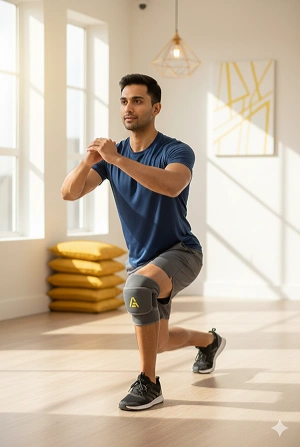
Wearing a brace incorrectly can reduce its effectiveness or even cause additional discomfort. Follow these steps to get the most benefit from your brace:
- Position the brace so the center aligns directly with your kneecap.
- Secure the straps firmly, but avoid cutting off circulation.
- Check that the brace stays in place during movement without sliding down.
- Wear the brace during activities that typically trigger pain, such as walking, climbing stairs, or exercising.
- Remove the brace periodically to let your skin breathe and check for irritation.
Learning how to wear a knee brace correctly ensures you get consistent support and avoid unnecessary strain on surrounding muscles. A brace that fits poorly can shift during activity, reducing stability exactly when you need it most.
Choosing the Right Brace for Your Needs
Selecting a knee brace for arthritis pain relief differs from choosing one for general use. Someone managing chronic joint deterioration needs firmer support and adjustable compression, while someone recovering from a minor strain may only need a lightweight sleeve. Consider these factors when choosing a brace:
- The underlying cause of your knee pain
- The level of support you need during daily activities
- Whether you need the brace for exercise, walking, or general stability
- Material breathability for extended wear
- Ease of adjusting straps for a secure, comfortable fit
A knee brace for knee pain while walking should prioritize comfort and flexibility, since walking involves repetitive motion that can worsen discomfort if the brace is too rigid or too loose.
Making Knee Support Part of Your Routine
Long-term knee health depends on more than just wearing a brace occasionally. Pairing a brace with strengthening exercises, proper footwear, and posture awareness creates a more complete approach to pain management. Many people combine their knee brace for pain relief with physical therapy exercises recommended by their doctor, allowing the muscles around the joint to grow stronger while the brace protects against further strain.
If knee pain has been limiting your daily activities, exploring a properly fitted brace could make a noticeable difference in how you move and feel. Arthagone™ offers a range of knee braces designed for different needs, from arthritis support to sports recovery, giving you options to match your specific situation. Taking the time to find the right fit and support level is often the first step toward moving more comfortably again.
Frequently Asked Questions
How long should I wear a knee brace each day?
Wear time depends on your condition and activity level. Some people wear a brace only during exercise or long walks, while others with chronic pain wear it for most of the day. Removing it periodically helps prevent skin irritation.
Can a knee brace fully replace physical therapy?
No. A brace supports the joint and reduces pain, but it works best alongside strengthening exercises and professional guidance rather than as a standalone solution.
Is it normal for a knee brace to feel tight at first?
Some initial tightness is normal as you adjust straps for proper compression. However, numbness, tingling, or excessive discomfort means the brace is too tight and should be loosened.
Can I wear a knee brace while sleeping?
Most braces aren’t designed for overnight wear unless specifically recommended by a doctor for post-surgical stability. Wearing one during sleep can restrict circulation.
What’s the difference between a hinged brace and a compression sleeve?
Hinged braces offer stronger structural support and limit excessive movement, making them suitable for injuries or arthritis. Compression sleeves provide milder support and are better for everyday comfort or prevention.