How to Choose the Right Knee Joint Pain Relief Brace: Buyer’s Guide
Knee pain changes the way you move through your day. Stairs feel steeper, walks feel shorter, and simple tasks like standing up from a chair start to demand extra thought. A well-designed brace can restore confidence in your knee by adding support exactly where you need it, but the market offers dozens of styles, materials, and compression levels. Picking the wrong one wastes money and can even worsen discomfort. This guide breaks down everything you need to know before you buy, so you choose a brace that actually fits your body, your activity level, and your specific pain pattern.
Key Takeaways
- A Knee Joint Pain Relief Brace works by combining compression, stabilization, and warmth to reduce swelling and support the joint during movement.
- The right brace depends on your specific condition, whether that’s arthritis, ligament instability, meniscus irritation, or general overuse pain.
- Sizing matters more than most buyers realize; a brace that’s too tight cuts circulation, while one that’s too loose provides no support.
- Material choice affects comfort during long wear, especially for people who need daily support.
- Compression level, hinge design, and strap placement should match your daily activities, not just the marketing claims on the box.
Choosing a Knee Joint Pain Relief Brace starts with understanding your own knee, not the product catalog. Every knee brace promises pain relief, but the mechanisms behind that relief vary widely. Some braces stabilize the joint mechanically using rigid hinges, others rely on compression to improve blood flow and reduce swelling, and some combine both approaches for people managing chronic joint conditions. Before you compare brands or read another five-star review, you need to identify what your knee actually requires. This guide walks you through every factor that separates an effective brace from one that sits unused in a drawer after two weeks.
Understand What’s Causing Your Knee Pain First
Knee pain rarely has a single cause, and the brace that helps one person may do nothing for another. Osteoarthritis wears down cartilage and creates a dull, grinding ache that worsens with activity. Ligament injuries, like a sprained ACL or MCL, create instability, where the knee feels like it might give way. Meniscus tears cause sharp, localized pain, often on one side of the joint. Runner’s knee and other overuse injuries produce pain around the kneecap that flares during specific movements like squatting or climbing stairs.
Before you shop, talk to a doctor or physical therapist if you haven’t already gotten a diagnosis. Knowing the root cause helps you match the brace type to the problem instead of guessing.
Types of Knee Braces and What They’re Built For
Manufacturers design each brace category for a specific job. Matching the category to your condition prevents you from buying support that doesn’t address your pain.
Compression Sleeves
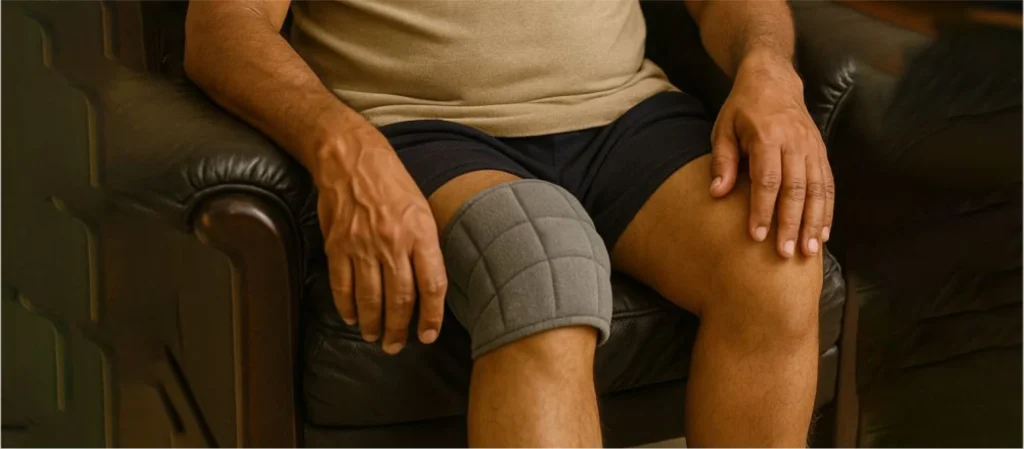
A compression sleeve slides on like a sock and applies even pressure around the entire knee. This category works well for people managing mild arthritis, general soreness, or swelling after activity. A knee compression brace improves circulation, reduces fluid buildup, and provides a mild sense of stability without restricting movement. Runners, hikers, and people who stand for long shifts often reach for this style because it’s lightweight and easy to wear under clothing.
Hinged Knee Braces
Hinged braces include rigid or semi-rigid supports on either side of the joint that control lateral movement. This design suits people recovering from ligament injuries or those with moderate to severe instability. If your knee ever buckles or feels like it might give out during walking, a hinged design offers real mechanical protection that a sleeve simply cannot match.
Patellar Stabilizing Braces
These braces include a strap or cushioned ring around the kneecap to keep it aligned during movement. People with runner’s knee, patellar tracking issues, or chondromalacia benefit most from this style. The targeted support reduces friction under the kneecap, which lowers pain during bending and straightening.
Wraparound Adjustable Braces
Wraparound braces use straps and Velcro closures instead of a pull-on sleeve design. This style works well for people with swelling that fluctuates throughout the day, since you can adjust the tightness as needed. It’s also a practical choice for anyone who struggles to pull a compression sleeve over a sensitive or swollen joint.
Unloader Braces
Designed specifically for osteoarthritis, unloader braces shift weight away from the damaged side of the knee joint, usually the inner (medial) compartment where arthritis most commonly develops. This category costs more than standard braces but delivers targeted relief for people whose pain stems specifically from cartilage wear on one side of the joint.
How to Find the Best Knee Brace for Knee Pain Based on Your Lifestyle
The best knee brace for knee pain isn’t a single universal product; it’s the one that matches how you actually use your knee day to day.
For daily wear under clothing: Choose a thin compression sleeve made from breathable fabric. Bulky hinged braces are uncomfortable under pants and draw unwanted attention at work.
For exercise and sports: Look for a brace with moisture-wicking material and a non-slip grip band at the top and bottom. Athletes need support that stays in place during lateral movements without sliding down.
For post-surgery or injury recovery: A hinged brace with adjustable range-of-motion settings gives you control as your knee heals. Many recovery braces let you lock the hinge at a specific angle early on and gradually increase range of motion over time.
For arthritis management: An unloader brace or a heavier compression sleeve with added stabilizing panels reduces pressure on damaged cartilage during walking and standing.
For occasional flare-ups: A wraparound adjustable brace gives you flexibility since you can wear it only when pain increases, without needing a precise size match every time.
Finding a Knee Support Brace for Pain Relief That Actually Fits
Sizing determines whether a brace helps or hurts. A knee support brace for pain relief needs a snug fit that compresses tissue evenly without cutting off circulation. Follow these steps to size correctly:
- Measure around the center of your kneecap while standing with your leg straight.
- Measure six inches above and six inches below the kneecap, since many braces size according to thigh and calf circumference.
- Compare your measurements against the specific brand’s size chart, since sizing varies significantly between manufacturers.
- If your measurement falls between two sizes, size up for comfort during longer wear, especially if you plan to wear the brace over several hours.
A properly fitted brace should feel firm but never numb your leg, restrict blood flow, or leave red marks that don’t fade within a few minutes of removal.
Materials That Affect Comfort and Durability
Knee braces range from basic neoprene to advanced breathable knit fabrics, and the material you choose determines how comfortable the brace feels during extended wear.
Neoprene offers strong compression and retains heat, which benefits people with arthritis who find warmth soothing. However, it traps sweat and can feel uncomfortable during workouts or in warm climates.
Breathable knit fabric allows airflow and wicks moisture, making it a better choice for athletes or anyone wearing the brace for many hours a day. These materials often cost more but reduce skin irritation over time.
Silicone gripper bands at the top and back of the brace keep it from sliding down during movement. Check for this feature if you plan to stay active while wearing the brace.
Metal or plastic hinges add structural support in hinged designs. Metal hinges last longer and provide firmer stability, while plastic hinges keep the brace lighter for everyday wear.
How to Reduce Knee Joint Pain Beyond Wearing a Brace
A brace supports your joint, but it works best alongside other habits that address the underlying cause of your pain. If you’re wondering how to reduce knee joint pain more comprehensively, consider these additional steps:
- Strengthen the muscles around your knee, particularly the quadriceps and hamstrings, since stronger muscles absorb impact and reduce strain on the joint itself.
- Maintain a healthy weight, since every extra pound adds measurable pressure on the knee during walking and standing.
- Apply ice after activity to control inflammation, and use heat before activity to loosen stiff tissue.
- Choose supportive footwear, since worn-out shoes change how force travels up through your knees.
- Avoid high-impact activities during flare-ups and switch to low-impact options like swimming or cycling until pain subsides.
Combining these habits with a properly fitted brace produces better long-term results than relying on the brace alone.
Common Mistakes to Avoid When Buying a Knee Brace
Many buyers make the same errors when shopping for support, which leads to disappointing results.
Buying based on price alone often leaves you with a brace that lacks proper compression or falls apart within weeks. Skipping the sizing chart and guessing based on pant size leads to poor fit, since brace sizing rarely matches clothing sizes. Choosing a hinged brace for mild pain adds unnecessary bulk and weight when a simple sleeve would work just as well. Ignoring material breathability results in a brace that gets abandoned during hot weather or intense activity. Wearing the brace 24/7 without giving your skin and muscles a break can lead to irritation and muscle dependency over time.
Why Design Quality Matters: The Arthagone® Approach
Not every knee brace for joint pain on the market delivers consistent compression or lasting durability. Brands like Arthagone® focus specifically on the details that separate a functional brace from one that loses effectiveness after a few washes, including reinforced stitching, medical-grade compression fabric, and anatomically shaped panels that follow the natural curve of the joint. When evaluating any brand, look past marketing language and check for genuine engineering behind the product, since your knee deserves support built with the same care as any other piece of medical equipment.
Questions to Ask Before You Buy
Run through this checklist before adding any brace to your cart:
- Does the size chart match my actual measurements, not just my usual clothing size?
- Is the compression level appropriate for my condition, mild for general soreness, firm for instability?
- Does the material suit my climate and activity level?
- Does the brace include features specific to my pain type, such as a patellar ring or side hinges?
- Can I return or exchange the brace if the sizing doesn’t work out?
Answering these questions honestly narrows your options quickly and prevents impulse purchases that don’t serve your actual needs.
If you’ve been managing knee discomfort without proper support, now is a good time to look closely at your options and pick a brace that matches your specific pain pattern instead of settling for whatever appears first in a search result. Comparing a few well-reviewed options against the criteria in this guide, checking sizing carefully, and reading return policies before purchase puts you in a strong position to find lasting relief. Arthagone® and similar quality-focused brands make this comparison easier by publishing detailed sizing and material information upfront, so take the time to review those specifics before committing to a brace that will support your knee every day.
Frequently Asked Questions
1. How long should I wear a knee brace each day?
Most people benefit from wearing a brace during activity or periods of pain rather than continuously. Extended all-day wear can weaken supporting muscles over time, so remove the brace during rest periods unless a doctor recommends otherwise.
2. Can a knee brace fix arthritis pain permanently?
No brace cures arthritis, since the condition involves ongoing cartilage wear. A brace reduces pain and improves stability during activity, but it works as a management tool alongside exercise, weight control, and medical treatment rather than a permanent fix.
3. Should I size up or down if I’m between sizes?
Sizing up generally provides more comfort during long wear, especially for people with swelling that changes throughout the day. A slightly looser fit still offers support without risking circulation problems.
4. What’s the difference between a knee sleeve and a hinged brace?
A sleeve provides even compression and mild support through pull-on fabric, suited for general soreness or mild arthritis. A hinged brace adds rigid side supports that control lateral movement, making it a better fit for ligament instability or post-injury recovery.
5. Can I wear a knee brace while exercising or running?
Yes, many braces are specifically designed for activity, featuring moisture-wicking fabric and non-slip bands to stay in place during movement. Choose a lightweight compression sleeve or a low-profile hinged brace made for athletic use rather than a bulky recovery-style brace.