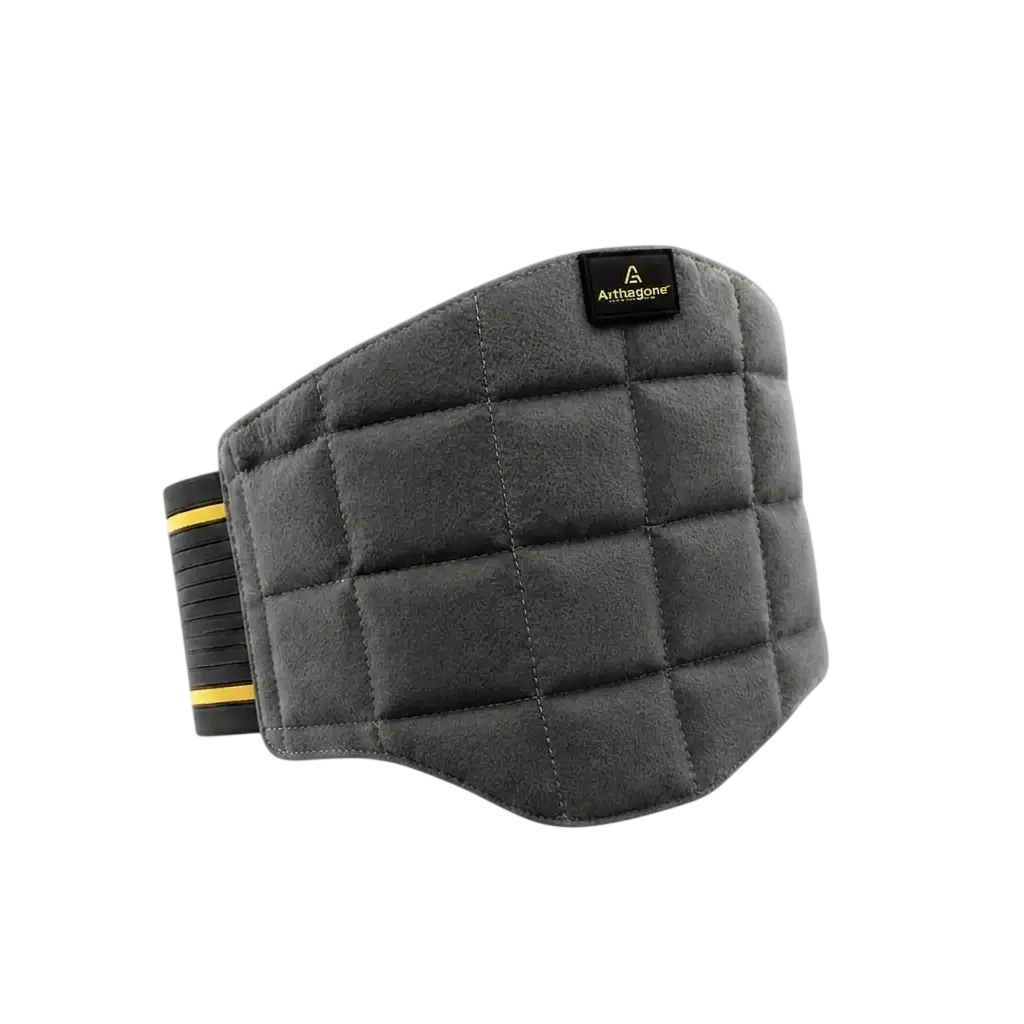

Do Back Braces Work for Office Workers? Benefits, Uses, and Tips for Daily Wear
Sitting at a desk for eight hours a day puts constant pressure on the spine, and many professionals now search for a reliable back brace for office workers to manage the discomfort that builds up over long shifts. A quality brace supports the lower back, encourages upright posture, and reduces the strain that desk jobs place on the spine and surrounding muscles. Office workers who spend most of their day seated often develop stiffness, rounded shoulders, and nagging lower back pain that worsens as the week goes on. Arthagone® designs back support solutions that address exactly this problem, helping desk-based professionals stay comfortable and focused without compromising mobility. This guide breaks down how back braces work, who benefits most from wearing one, and how to use them correctly during a typical workday.
Key Takeaways
- A back brace for office workers helps correct posture, stabilizes the lumbar spine, and reduces pressure on the lower back during long sitting hours.
- Desk workers benefit most from lightweight, breathable braces that allow natural movement while still offering firm support.
- Wearing a brace for short, targeted periods works better than wearing it all day, since muscles need time to build their own strength.
- A good brace does not replace ergonomic chairs, regular breaks, or stretching, but it complements these habits effectively.
- People with existing back conditions should consult a doctor before starting daily use of a back brace.
Why Office Workers Struggle With Back Pain
Desk jobs demand long periods of stillness, which sounds easy but actually stresses the spine more than many physical jobs do. Sitting compresses the lumbar discs, weakens core muscles over time, and encourages slouching, especially when workstations are not set up correctly. Poor monitor height, unsupportive chairs, and long hours without breaks all combine to create chronic tension in the lower back and shoulders. This is why so many professionals now look for a back brace for desk workers as a practical way to manage discomfort without disrupting their workday.
How a Back Brace Supports Office Workers
A back brace works by applying gentle, consistent pressure around the lumbar and abdominal region. This support reduces the load carried by the spinal muscles and discs, which lowers fatigue and discomfort during long sitting sessions. The brace also acts as a physical reminder to sit upright, since slouching becomes noticeably less comfortable while wearing one. Over time, this reminder helps the body relearn healthier sitting habits even without the brace.
Modern designs use breathable, flexible materials that move with the body instead of restricting it. This makes them practical for office settings, where comfort and subtlety matter as much as function. Arthagone® back braces follow this design philosophy, offering adjustable support that fits under regular office wear without drawing attention.
Key Benefits of Wearing a Back Brace Daily
1. Improved Posture Throughout the Day
One of the most noticeable benefits of wearing a back brace daily is better posture. The brace holds the spine in a more neutral position, which prevents the forward-hunching posture that develops after hours at a keyboard.
2. Reduced Lower Back Pain
For anyone dealing with persistent discomfort, a back brace can meaningfully ease pressure on the lumbar spine. This makes it one of the more practical tools for reducing lower back pain during long desk hours, particularly for people who already experience mild to moderate stiffness.
3. Better Core Engagement
Wearing a brace encourages the abdominal and lower back muscles to work together, which supports spinal stability even after the brace comes off. This gradual strengthening effect is one reason many people search for the best back brace for office workers with lower back pain, since it offers both immediate relief and long-term support.
4. Reduced Fatigue During Long Shifts
By redistributing pressure away from tired muscles, a brace helps reduce the general fatigue that builds up during an eight-hour workday. Workers often report feeling less drained by the afternoon when they wear a brace during particularly demanding tasks.
5. Support During Repetitive Movements
Office work isn’t always static. Reaching for files, twisting toward a printer, or lifting boxes of supplies can strain the back unexpectedly. A brace adds a layer of protection during these small but frequent movements.

How to Reduce Back Pain While Working: Practical Tips
Wearing a brace works best as part of a broader routine. Combine these habits with your brace for the most effective results.
Adjust your workstation. Position the monitor at eye level, keep your feet flat on the floor, and choose a chair that supports the natural curve of your lower back.
Take movement breaks. Stand up every 30 to 45 minutes to stretch and reset your posture. Even a two-minute walk helps release built-up tension.
Strengthen your core. Simple exercises like planks, bridges, and seated leg lifts build the muscles that naturally support your spine.
Use the brace strategically. Wear it during long meetings, focused work sessions, or tasks that require extended sitting rather than the entire day.
Stay hydrated. Spinal discs rely on hydration to stay cushioned, so drinking enough water supports overall spinal health.
Practice mindful sitting. Periodically check your posture and gently correct slouching, using the brace as a physical cue.
Choosing the Best Back Brace for Office Workers
Not every brace suits desk work. The right choice depends on comfort, adjustability, and how well it fits under regular clothing.
- Breathable material: Look for fabric that allows airflow, since braces worn for hours can trap heat otherwise.
- Adjustable straps: A brace that can be tightened or loosened throughout the day adapts better to different tasks and postures.
- Low-profile design: The best back brace for office workers stays discreet under shirts and blazers, so it doesn’t interfere with a professional appearance.
- Lightweight construction: Heavy or bulky braces can restrict natural movement, which defeats the purpose during active workdays.
- Targeted lumbar support: Since most desk-related pain concentrates in the lower back, a brace with reinforced lumbar padding delivers more noticeable relief.
Who Should Consider Wearing a Back Brace
Back braces are particularly useful for people who:
- Sit for more than six hours a day without frequent breaks
- Experience recurring stiffness or dull aches in the lower back
- Recently returned to desk work after an injury
- Have jobs that combine sitting with occasional lifting or bending
- Want to build better posture habits over time
People with diagnosed spinal conditions, recent surgeries, or severe chronic pain should speak with a healthcare provider before adding a brace to their routine, since individual needs vary significantly.
Common Mistakes When Using a Back Brace
Wearing a brace incorrectly can reduce its effectiveness or create new problems. Avoid these common errors:
- Wearing it too tightly, which restricts breathing and blood flow instead of supporting the spine.
- Relying on it all day, every day, which can weaken core muscles over time instead of strengthening them.
- Ignoring posture habits, since a brace supports good posture but doesn’t replace conscious effort.
- Choosing the wrong size, which leads to slipping, discomfort, or uneven support.
- Skipping breaks, since even the best brace can’t fully offset hours of continuous sitting.
Many office workers start noticing real improvements once they pair a well-fitted brace with small daily adjustments, and finding the right fit makes a bigger difference than most people expect. Arthagone® offers a range of ergonomic back braces built specifically for people who spend their day at a desk, combining adjustable support with breathable materials designed for all-day comfort.
Frequently Asked Questions
1. Can a back brace fix bad posture permanently?
A back brace helps train the body toward better posture by providing physical feedback, but permanent change also requires consistent core strengthening and mindful sitting habits.
2. How long should I wear a back brace at work?
Most people benefit from wearing a brace in short sessions of two to four hours rather than continuously, allowing the back muscles to remain active and engaged.
3. Are back braces safe for daily use?
Back braces are generally safe for daily use when worn correctly and not overly tightened, though people with existing spinal conditions should consult a doctor first.
4. Will a back brace help if I already have chronic lower back pain?
A brace can ease pressure and provide temporary relief, but chronic pain often requires a combined approach involving physical therapy, ergonomic changes, and medical guidance.
5. Can I wear a back brace under office clothing?
Yes, most modern braces are designed with a slim profile specifically so they stay comfortable and unnoticeable under shirts, blouses, or blazers.