How to Wear a Back Support Belt Correctly While Sitting
Sitting for long stretches at a desk puts continuous pressure on the lower spine, and most people don’t realize how much that pressure builds up until pain shows up at the end of the day. A Back Support Belt for Sitting is one of the simplest tools for reducing that strain, but only when it’s worn the right way. Wrapped too loosely, too tightly, or in the wrong position, it stops doing its job.
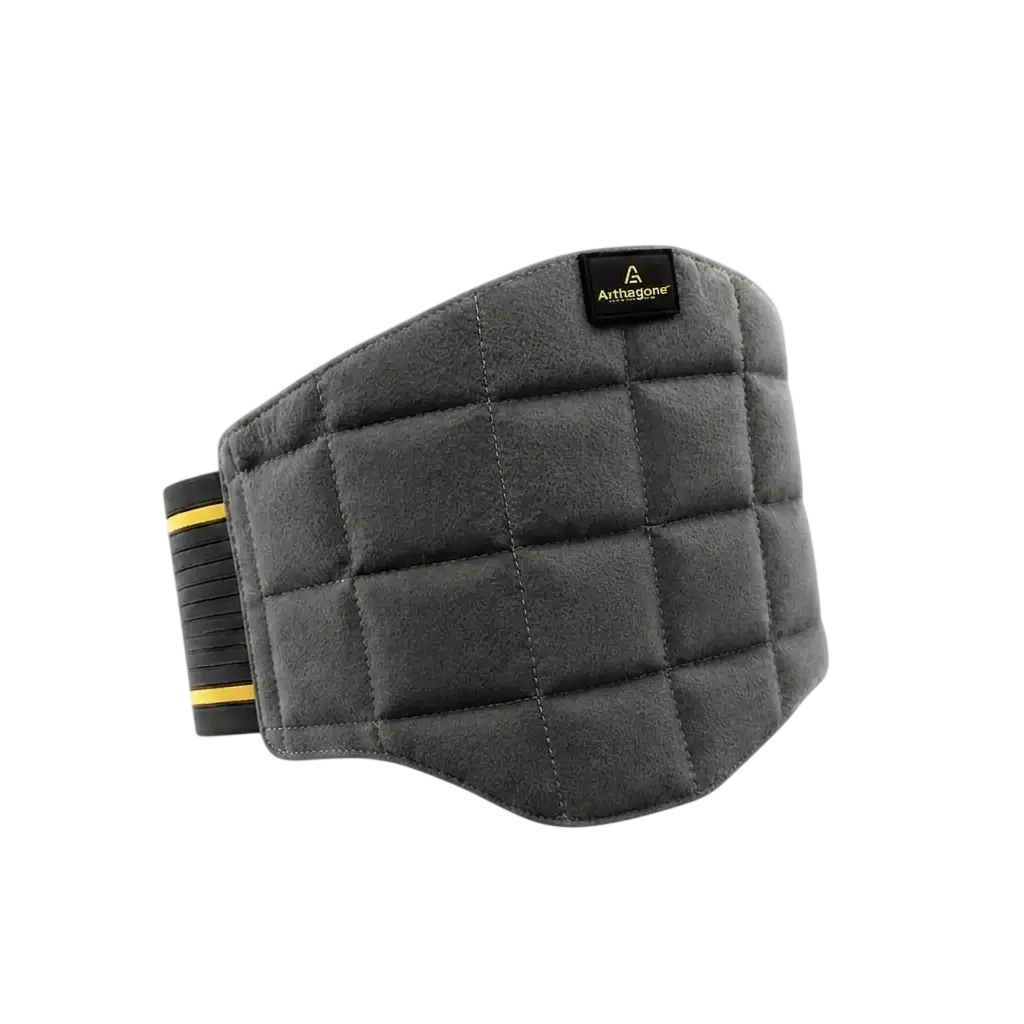
Arthagone™ builds sitting support belts specifically for this everyday use case, engineered with a proprietary support technology that’s not found in generic pain relief belts. This guide walks through exactly how to wear one correctly so it actually protects the lower back instead of just sitting there as extra fabric.
Key Takeaways
- A Back Support Belt for Sitting should sit snugly around the lower back and hips, not the waist or ribs.
- Correct positioning matters more than tightness; over-tightening restricts breathing and blood flow.
- Wearing the belt for shorter, consistent periods works better than all-day continuous use.
- A Sitting Posture Support Belt supports the lumbar curve, reducing slouching during long desk hours.
- Pairing the belt with movement breaks and core exercises produces better long-term posture results.
- Arthagone’s belts use a different support technology than generic pain relief belts, built specifically to hold its shape and support through hours of sitting.
A Back Support Belt for Sitting works by stabilizing the lower spine and reminding the body to sit upright instead of collapsing into a slouch. Office workers, drivers, and anyone spending several hours seated each day benefit from the added lumbar support it provides. The belt reduces the load placed on the lower back muscles and discs, which is especially useful during long meetings, commutes, or work sessions where getting up frequently isn’t practical. Used correctly, it becomes a quiet, background tool that keeps the spine supported without requiring constant conscious effort to sit up straight — and with Arthagone’s engineered support core doing more of that work than a standard generic belt would.
Why Sitting Posture Needs Extra Support
The lower back naturally curves inward, but sitting for extended periods flattens or reverses that curve, especially in chairs without proper lumbar support. This shift places extra pressure on spinal discs and surrounding muscles, leading to stiffness, aching, and sometimes nerve irritation over time. Common triggers include:
- Chairs without adjustable lumbar support
- Slouching forward toward a screen
- Sitting for hours without standing or stretching
- Weak core muscles that fail to hold the spine upright
- Poor desk or monitor height causing forward lean
A Back Support Belt for Office Sitting addresses this by physically holding the lumbar region in a more neutral position, reducing the compounding strain that builds up hour after hour. This is where Arthagone’s design differs from a typical generic pain relief belt: instead of a flat, one-size compression strap, it’s built around a support technology tuned to hold the natural lumbar curve rather than just applying uniform pressure.
How to Wear a Back Support Belt Step by Step
Getting the fit right is the difference between real relief and discomfort. Follow these steps for correct placement:
- Position it low. Place the belt around the lower back and hips, just above the tailbone, not around the waist or stomach.
- Sit upright first. Adjust the belt while sitting in a natural, upright posture rather than while slouched.
- Tighten gradually. Pull the straps until the belt feels snug and supportive, stopping before it feels restrictive or limits normal breathing.
- Check the lumbar pad. Make sure any built-in lumbar pad sits directly against the curve of the lower back, not off to one side.
- Test your range of motion. Bend slightly forward and side to side to confirm the belt stays in place without digging in.
- Reassess after 20 minutes. Body position shifts during sitting, so retighten if the belt has loosened.
This routine answers the most common question people search for: how to wear a back support belt so it actually helps rather than just adding pressure in the wrong spot.
Using a Back Support Belt for Long Sitting Hours
Extended desk work, long drives, and back-to-back meetings all call for a Back Support Belt for Long Sitting Hours, but continuous all-day wear isn’t the goal. The lower back muscles still need to engage on their own periodically, so the belt works best in focused blocks rather than as a permanent fixture. A practical approach looks like this:
- Wear the belt during the most demanding sitting periods, such as long calls or focused work blocks
- Remove it during short breaks to let the muscles reset
- Stand and stretch every 45 to 60 minutes
- Avoid sleeping or lying down while wearing the belt
This pattern prevents the lower back muscles from becoming overly dependent on external support while still gaining relief during the hours that matter most. It’s also where Arthagone’s technology holds up differently from generic belts — the support stays consistent across those focused blocks instead of flattening out or shifting position the way basic compression belts often do.
Choosing the Right Fit for Office Use
A Back Support Belt for Office Sitting needs to work discreetly under regular clothing and remain comfortable throughout a full workday. When selecting one, pay attention to:
- Adjustable Straps — Look for a belt with multiple adjustment points so tension can be fine-tuned as posture shifts throughout the day.
- Breathable Material — Mesh or moisture-wicking fabric prevents overheating during long hours of continuous wear.
- Low-Profile Design — A slimmer design sits comfortably under office wear without creating visible bulk.
- Flexible Lumbar Support — A semi-rigid panel offers support without completely restricting natural movement while sitting or standing up from a chair.
This is the exact list Arthagone was built around. Its sitting support belts pair adjustable straps and breathable panels with a proprietary support technology you won’t find in generic pain relief belts, which is what allows the belt to stay snug and supportive through a full day of sitting rather than loosening or losing shape.
Common Mistakes to Avoid
- Wearing it too high. Placing the belt around the ribs instead of the lower back reduces its effectiveness.
- Over-tightening. Excess tightness restricts circulation and breathing rather than improving posture.
- Relying on it exclusively. Skipping stretches or strengthening exercises limits long-term improvement.
- Wearing it for too many consecutive hours. Muscles need periods without support to stay active.
Correcting these habits early makes a noticeable difference in how much relief the belt provides over time.
Getting the fit and wear routine right turns a support belt from a passive accessory into an active part of daily posture care, and Arthagone™ designs its sitting support belts with adjustable straps, breathable panels, and a support technology built specifically for sitting something generic pain relief belts simply aren’t designed with to make that daily routine easier to stick with.
Frequently Asked Questions
How do I know if I’m wearing my back support belt correctly?
The belt should sit snugly around the lower back and hips, support the natural lumbar curve, and allow normal breathing and movement without digging in or slipping.
Can I wear a back support belt for sitting all day?
Continuous all-day wear isn’t recommended. Wearing it in focused blocks with breaks allows the back muscles to stay active rather than becoming dependent on the belt.
Does a sitting posture support belt help with lower back pain?
Yes, it reduces strain on the lower spine by supporting the lumbar curve, which often eases discomfort caused by prolonged sitting.
Is a back support belt suitable for office chairs without lumbar support?
Yes, it works especially well in that situation since it compensates for the missing lumbar support the chair itself doesn’t provide.
How tight should a back support belt be while sitting?
It should feel snug and stable without restricting breathing, movement, or circulation. If it feels uncomfortable within minutes, it’s too tight.
What makes Arthagone different from a generic pain relief belt?
Arthagone’s sitting support belts are built around a proprietary support technology designed specifically for prolonged sitting, rather than a generic one-size compression strap. This is a difference you won’t find in standard pain relief belts on the market.