
10 Common Mistakes to Avoid When Wearing a Lower Back Pain Belt
Aging bodies carry decades of movement, and knees often absorb the largest share of that wear. Millions of older adults wake up every day with stiffness, swelling, or sharp pain that limits how far they walk, how easily they climb stairs, or how comfortably they sit and stand. Arthritis remains the leading cause of this discomfort, and it rarely improves on its own without proper support. A knee support belt offers a simple, non-invasive way to reduce strain on the joint, stabilize movement, and help older adults stay active without constant pain interrupting daily life. Brands like Arthagone® design supportive belts specifically for aging joints, focusing on compression, alignment, and comfort so people can move confidently again.
This article explains why knee pain develops with age, how a knee support belt works, and how proper support including a Lower Back Pain Belt plays a role in overall joint and posture health.
Key Takeaways
- Arthritis-related knee pain in older adults stems from cartilage breakdown, joint inflammation, and reduced muscle support around the knee.
- A knee support belt stabilizes the joint, reduces pressure during movement, and improves confidence while walking or standing.
- Combining knee support with a Lower Back Pain Belt helps correct posture imbalances that often worsen knee strain.
- Proper wearing technique matters as much as the product itself incorrect positioning reduces effectiveness.
- Consistent, moderate use paired with light exercise produces better long-term results than occasional or excessive use.
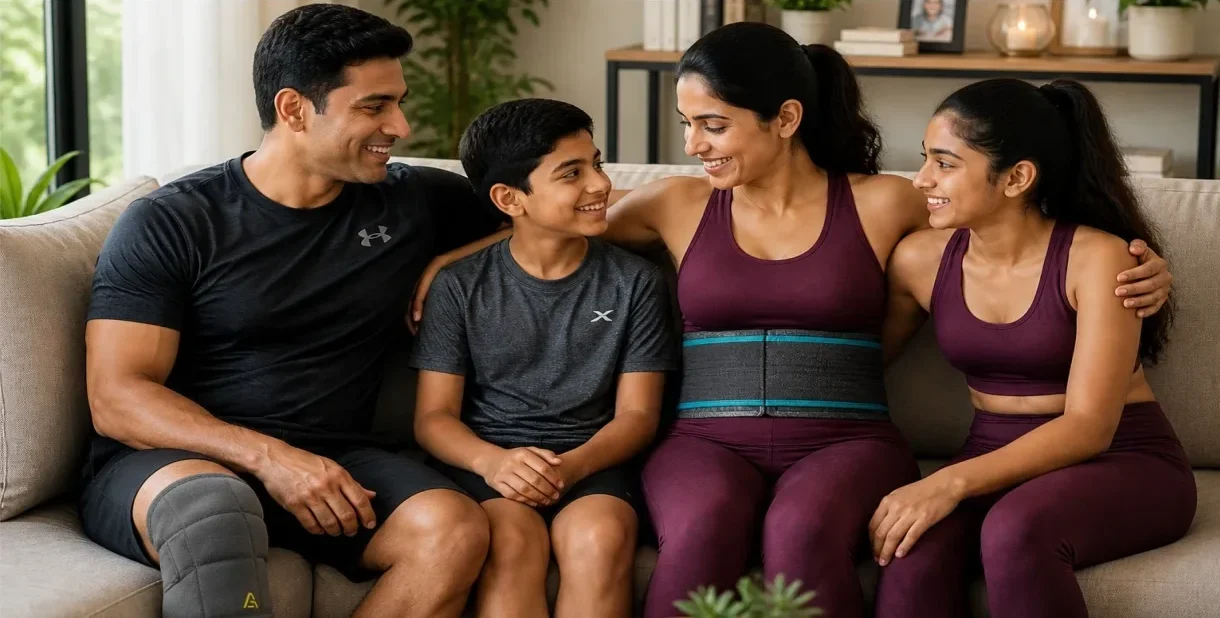
Many older adults searching for relief also look into a Lower Back Pain Belt, since knee pain rarely stays isolated. When one joint compensates for weakness elsewhere, the lower back often absorbs extra pressure. People shift their weight, alter their walking pattern, or lean differently while standing, and this creates a chain reaction that travels upward from the knees to the hips and spine. A lower back pain belt supports the lumbar region during this compensation phase, reducing additional strain while the knee heals or adjusts to new support gear. Wearing both supports together a knee belt and a back belt reates a more balanced posture, distributes body weight evenly, and prevents secondary pain from developing in areas that were previously pain-free.
Why Knee Pain Becomes Common With Age
Cartilage naturally thins over time, reducing the cushioning between bones. Synovial fluid, which lubricates the joint, also decreases in volume and quality as people age. These changes make movement stiffer and increase friction inside the joint capsule. Osteoarthritis, the most frequent form of arthritis in older adults, develops gradually and worsens with repetitive movement, excess body weight, or previous joint injuries.
Muscles surrounding the knee particularly the quadriceps and hamstrings also weaken with age. Since these muscles normally absorb shock and stabilize the joint during walking, their decline shifts more load directly onto bones and cartilage. This combination of thinning cartilage and weaker supporting muscles explains why knee pain intensifies steadily rather than appearing suddenly.
How a Knee Support Belt Reduces Arthritis Pain
A knee support belt works through several mechanical principles rather than through medication or invasive treatment.
Compression Improves Circulation and Reduces Swelling
Gentle, consistent compression around the joint encourages fluid movement, reducing the swelling that commonly accompanies arthritis flare-ups. Reduced swelling directly correlates with reduced stiffness, allowing older adults to bend and straighten the knee more comfortably.
Stabilization Prevents Uneven Movement
Arthritic knees often wobble slightly during walking because ligaments loosen and muscles weaken. A support belt limits this lateral movement, keeping the kneecap and joint aligned properly during each step. This stabilization lowers the risk of sudden pain spikes caused by micro-instability.
Warmth Supports Joint Function
Many knee belts, including those from Arthagone®, use materials that retain natural body heat. Warmth increases blood flow to the joint area, which helps loosen stiff tissue, particularly during morning hours when arthritis symptoms tend to peak.
Pressure Redistribution Eases Cartilage Load
By spreading pressure evenly across the joint rather than concentrating it on damaged cartilage areas, a knee belt reduces the sharp, localized pain that often accompanies standing or walking on hard surfaces.
The Connection Between Knee Pain and Back Support
Knee pain does not exist in isolation. When older adults limp or shift weight to avoid knee discomfort, the lower back compensates by adjusting posture. Over weeks or months, this compensation often leads to chronic lumbar strain. This is why many physical therapists recommend pairing a knee support belt with a Back Support Belt or Lumbar Support Belt.
A Back Brace for Lower Back Pain stabilizes the lower spine, reducing the muscular overcorrection that happens when someone avoids putting full weight on a painful knee. Supporting both areas simultaneously creates a more balanced kinetic chain, allowing the body to move naturally instead of forcing compensation patterns that create new pain sources.
How to Wear a Lower Back Pain Belt Correctly
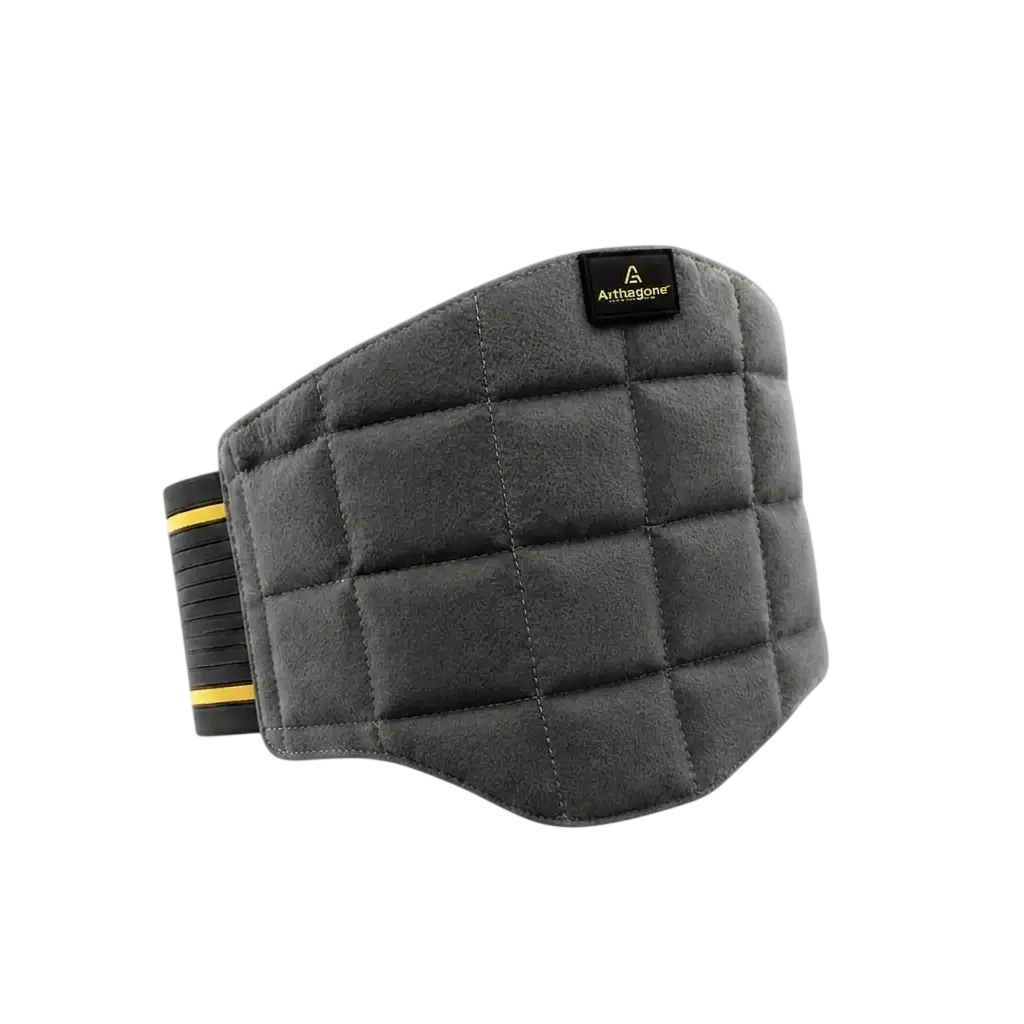
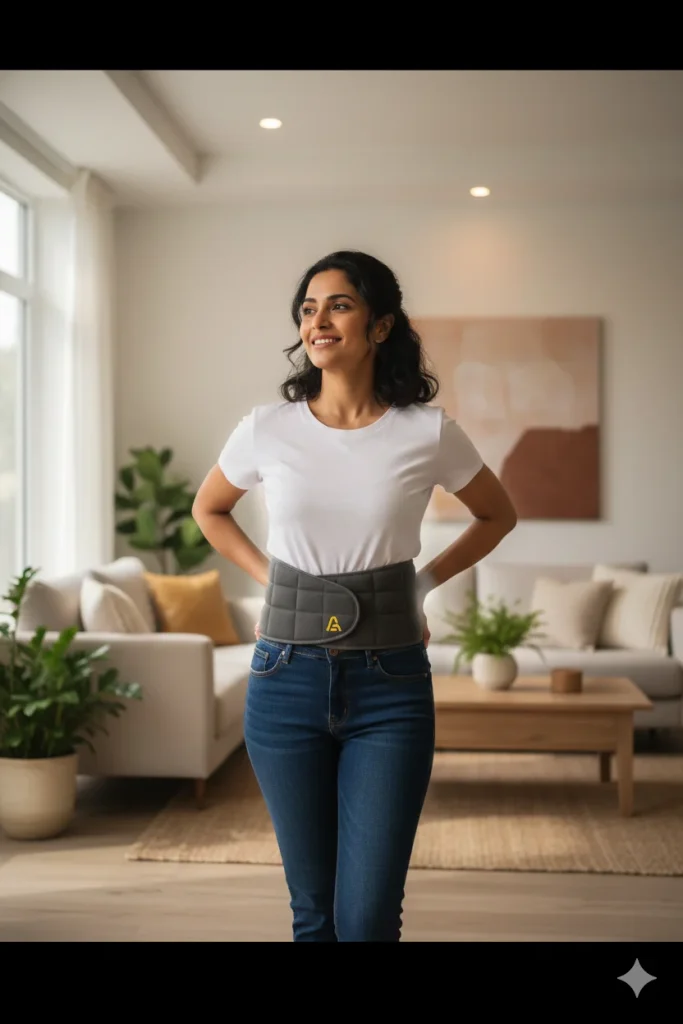
Knowing how to wear a Lower Back Pain Belt properly makes a significant difference in results. Many people wear these belts too loosely, too tightly, or in the wrong position, reducing their benefit.
- Position the belt so it sits directly over the lower back, aligning with the lumbar curve rather than the hips or upper back.
- Wrap the belt snugly around the torso, ensuring it feels firm without restricting breathing or blood flow.
- Fasten the straps evenly on both sides to maintain balanced pressure across the lower spine.
- Adjust the belt while standing upright, since sitting position often changes how the fabric sits on the body.
- Check that the belt stays in place during movement, since a shifting belt loses its stabilizing effect.
Wearing the belt correctly protects the spine during daily activities such as walking, light housework, or standing for extended periods.
Best Way to Use a Lumbar Support Belt for Long-Term Relief
The best way to use a lumbar support belt involves more than simply wearing it throughout the day. Older adults benefit most when they follow a structured approach.
- Wear the belt during activities that typically trigger discomfort, such as walking, gardening, or standing at the kitchen counter.
- Remove the belt during rest periods to allow core muscles to continue engaging naturally.
- Combine belt use with gentle stretching exercises that strengthen the muscles supporting the spine.
- Avoid relying on the belt as a permanent substitute for muscle strength, since core muscles still need regular activation.
- Monitor skin comfort and breathability, adjusting tightness if any numbness or irritation develops.
This structured approach prevents muscle dependency while still providing meaningful pain relief during demanding activities.
Choosing the Right Knee Support Belt for Arthritis
Selecting an appropriate knee belt involves several important factors:
Material breathability matters significantly for older adults who wear the belt for extended periods, since trapped heat and moisture can irritate sensitive skin.
Adjustable compression allows the wearer to modify tightness based on daily symptom severity, since arthritis pain fluctuates.
Open or closed patella design affects comfort depending on whether the person needs extra kneecap stabilization or more freedom of movement.
Size accuracy plays a critical role, since a belt that is too large slides during movement, while one that is too small restricts circulation.
Arthagone® designs its knee support belts with these factors in mind, focusing on adjustable compression and breathable materials suited for daily, long-term use among older adults managing arthritis symptoms.
Daily Habits That Improve Knee Support Belt Results
A knee belt performs best when combined with supportive daily habits.
Low-impact exercises such as swimming, stationary cycling, or short walks maintain joint flexibility without adding excessive strain. Strength training focused on the thighs and hips builds muscular support that reduces direct pressure on the knee joint. Maintaining a healthy body weight lowers the mechanical load placed on both knees during standing and walking. Staying hydrated supports joint lubrication, since synovial fluid production depends partly on overall hydration levels.
These habits, combined with consistent belt use, create compounding benefits that improve mobility over time rather than offering only temporary relief.
When Older Adults Should Combine Knee and Back Support
Certain situations call for using both a knee support belt and a back support belt simultaneously:
- When knee pain has caused a noticeable limp or altered walking pattern for more than a few days.
- When lower back stiffness develops shortly after knee pain begins, suggesting compensation has started.
- When standing for long periods triggers discomfort in both the knee and lower back simultaneously.
- When physical therapy recommendations specifically mention postural correction alongside joint stabilization.
Recognizing these signs early prevents secondary pain from becoming a long-term issue.
If you’re ready to take pressure off aching knees and support your lower back at the same time, exploring a properly fitted support system designed for aging joints can make daily movement noticeably easier. Many older adults find that pairing consistent, correctly worn support with light daily activity restores confidence in walking, standing, and simple household tasks that once felt difficult. Arthagone® offers knee and back support options built specifically for this kind of everyday relief, giving people a practical way to manage arthritis symptoms while staying active.
Frequently Asked Questions
1. Can a knee support belt cure arthritis?
No belt cures arthritis, since the condition involves cartilage and joint changes that develop over years. A knee support belt manages symptoms by stabilizing the joint and reducing pain during movement, making daily activities more comfortable.
2. How many hours a day should an older adult wear a knee support belt?
Most people benefit from wearing the belt during active periods, such as walking or standing, rather than continuously throughout the day. Removing it during rest allows muscles to stay engaged naturally.
3. Is it safe to wear a Lower Back Pain Belt and knee belt together?
Yes, wearing both is generally safe and often recommended when knee pain causes postural compensation that strains the lower back. Proper fit and correct positioning remain essential for both belts.
4. Does a lumbar support belt weaken back muscles over time?
Overuse without breaks can reduce muscle engagement, which is why experts recommend removing the belt during rest and combining it with strengthening exercises rather than wearing it constantly.
5. What signs indicate a knee or back belt is too tight?
Numbness, tingling, skin discoloration, or restricted breathing indicate excessive tightness. The belt should feel firm and supportive without cutting off circulation or causing discomfort beyond the joint area itself.