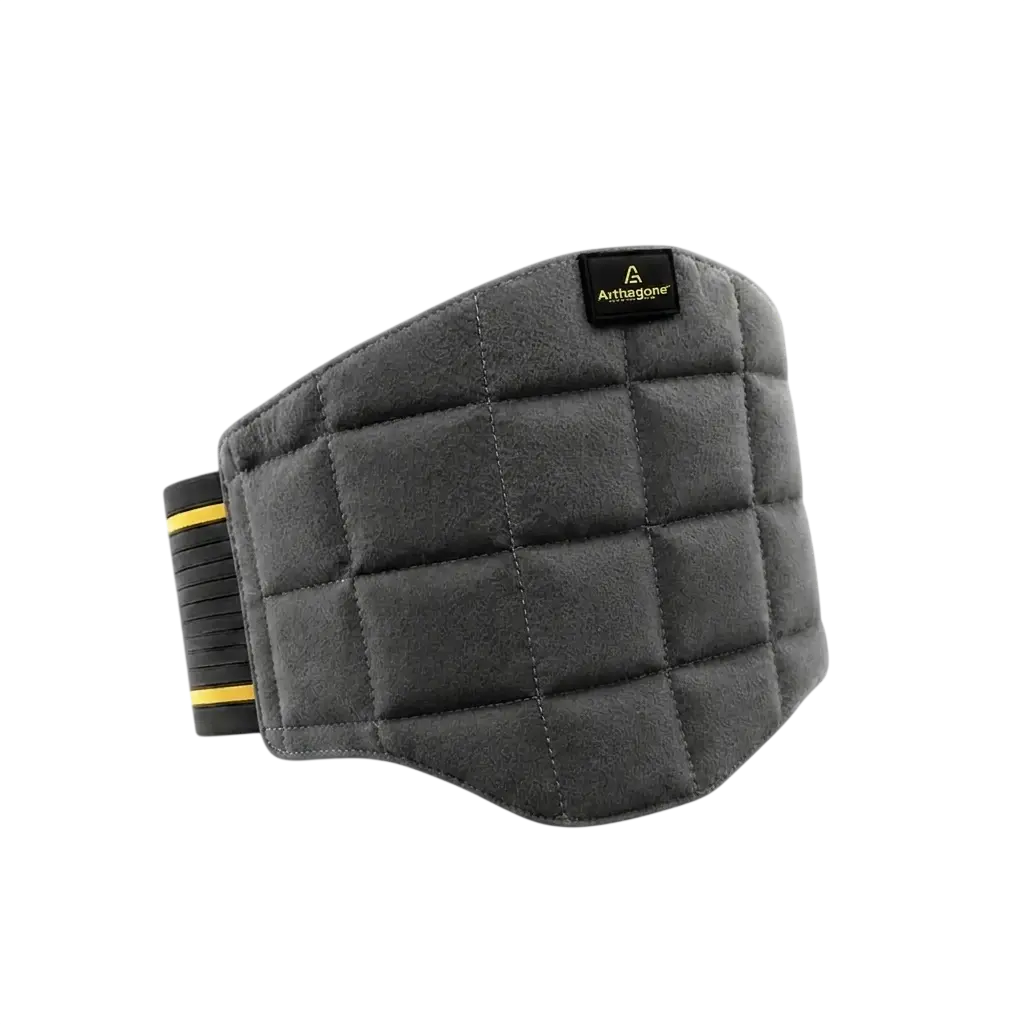

Back Pain Relief Belt: What First-Time Users Should Know
Lower back pain interrupts work, sleep, and simple routines like bending to tie a shoe. Many people reach for a back pain relief belt when the ache starts to feel constant, but few know how to choose one or wear it correctly. Arthagone® designs its support belts around everyday movement, focusing on adjustable fit, breathable materials, and steady compression that supports the lower back without restricting it. This guide walks you through what to expect with your first back pain relief belt before you buckle up for the first time.
Key Takeaways
- A back support belt stabilizes the lumbar region and reminds you to keep better posture.
- Fit matters more than tightness. A belt that sits snug but allows normal breathing works best.
- Wear it for short, targeted periods rather than all day, every day.
- Pair the belt with gentle movement and core strengthening for lasting results.
- Check with a doctor if your pain is severe, spreading, or follows an injury.
What a Back Pain Relief Belt Does
A back pain relief belt wraps around your waist and lower spine to provide compression and gentle stabilization. The compression warms the muscles, which eases stiffness and limits sudden twisting motions that trigger spasms. Many users also report that the belt acts as a physical reminder to sit upright and lift with their legs.
A belt does not cure the cause of your pain. It supports the area while your body rests, recovers, and rebuilds strength. Think of it as a helpful tool within a broader plan, not a standalone fix.
Types of Support Belts
Product names vary, but most belts fall into a few practical categories.
Lumbar support belt. This type targets the lower spine with a firm panel or rigid inserts. People with desk jobs or mild disc discomfort often prefer it.
Lower back support belt. Slightly wider, this design covers more of the waist and hips. It spreads pressure evenly and suits people who stand for long hours.
Adjustable back support belt. Dual-strap or Velcro systems let you fine-tune compression throughout the day. This flexibility helps when your pain level changes or when you move between sitting, walking, and lifting.
How to Choose the Right Belt
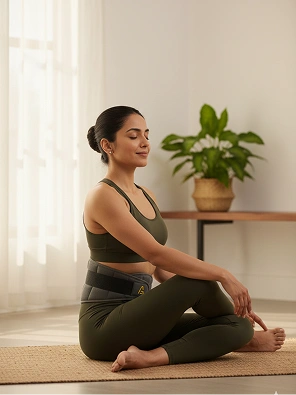
Start with measurement. Wrap a soft tape around your waist at the navel line, then compare the number against the brand’s size chart. A belt that is too loose slides and offers little help, while one that is too tight restricts breathing and irritates the skin.
Look at the material next. Breathable mesh or stretch fabric keeps you cool during long wear, and a soft inner lining prevents chafing. Check the panel height as well. Taller panels cover more of the spine, but they can dig into your ribs when you sit, so test the fit in both standing and seated positions.
Finally, consider your daily routine. A back pain belt for daily use should feel light enough to wear under clothing without bunching. If you lift heavy objects at work, choose a model with stronger rear support and a secure closure.
How to Use a Back Support Belt Correctly
Knowing how to use a back support belt properly makes the difference between relief and discomfort. Follow these steps:
- Position it low. Center the rear panel over your lower back, just above the hips.
- Wear it against bare skin or a thin shirt. This prevents slipping and reduces irritation.
- Fasten it snugly. You should fit two fingers between the belt and your body, and you should breathe deeply without effort.
- Adjust the secondary straps. Pull them gradually until you feel gentle compression, never pain.
- Check the fit while seated. Sit down and make sure the edges do not poke into your ribs or thighs.
Start with 30 to 60 minutes and increase gradually as your body adapts. Most people do best wearing the belt during activities that strain the back, such as lifting, long drives, or extended sitting.
Common Mistakes First-Time Users Make
New wearers often tighten the belt as far as it goes, assuming more pressure means more relief. Over-tightening limits circulation and can leave red marks. Others wear the belt around the clock, which can lead the core muscles to rely on external support and weaken over time.
Another common error involves wearing the belt over thick clothing, which shifts the panel out of position. Skipping a size check also causes trouble, since many first-time buyers guess their size instead of measuring.
Building Healthy Habits Alongside Your Belt
Your belt works best when you support it with daily habits. Take short walking breaks every 30 minutes if you sit for long periods. Strengthen your core with gentle exercises like bridges, bird dogs, and pelvic tilts. Stretch your hamstrings and hip flexors, because tight muscles in these areas pull on the lower back.
Sleep position matters too. Place a pillow between your knees when lying on your side, or under your knees when lying on your back. These small adjustments reduce spinal strain overnight, so you wake up with less stiffness.
Remove the belt when you rest or sleep unless a clinician advises otherwise. Your muscles need regular time to work without assistance.
When to See a Doctor
A back pain relief belt suits mild to moderate muscular discomfort. Seek medical advice if you notice numbness, tingling in your legs, loss of bladder control, fever with back pain, or pain that persists beyond a few weeks. These signs point to conditions that need professional evaluation.
Ready to Explore Your Options?
A well-fitted belt gives your lower back steady support while you stay active through the day. Arthagone® builds its belts for first-time users and long-term comfort, with adjustable straps, soft inner lining, and compression that adapts to your routine. Anyone comparing options can look into how a properly sized belt fits into their daily schedule and works alongside the stretching and strengthening habits already in place.
FAQs
1. How tight should a back support belt feel?
It should feel snug and supportive, not restrictive. You should breathe fully and slide two fingers under the edge.
2. How long can I wear a back pain relief belt each day?
Most people wear it for two to four hours during demanding activities. Longer use may weaken core muscles, so ask your doctor about the right schedule for you.
3. Can I wear a lumbar support belt while sleeping?
Generally, no. Your muscles need rest from compression at night, and a belt can feel uncomfortable when lying down.
4. Is an adjustable back support belt better than a fixed one?
For most first-time users, yes. Adjustable straps let you change compression as your pain, posture, and activity shift.
5. Can I wear a back pain belt for daily use?
Yes, in moderation. Use it during tasks that strain your back, and combine it with stretching and strengthening to build natural support.