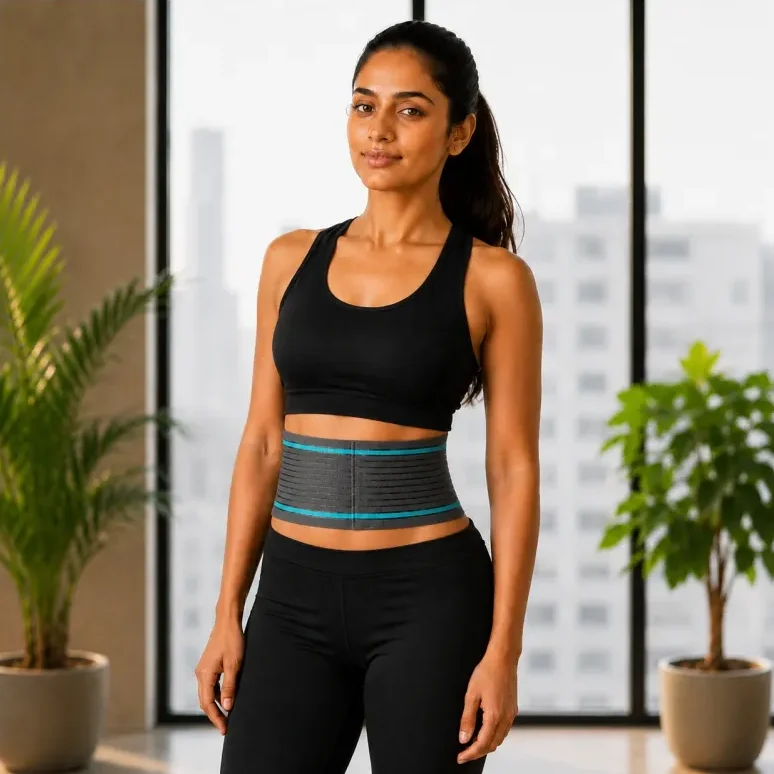

5 Knee Pain Relief Belts for Support During Workouts and Daily Activities
Knee discomfort cuts into squats, stair climbs, and even short walks. Whether the cause is overuse, mild strain, or everyday wear, the right support keeps you moving with more confidence. Arthagone® helps people explore practical support options so they can train, work, and play without constant worry about their knees. This guide covers five belt styles, how each one helps, and how to pick the right one.
Key Takeaways
- Five belt styles cover different needs: wraparound, patellar strap, compression, hinged, and neoprene.
- A compression belt suits light activity, while a hinged belt gives more structure for demanding movement.
- Fit matters more than brand, so measure before you buy.
- Support works best alongside strength work, warm-ups, and rest.
- Persistent or sharp pain calls for a visit to a healthcare professional.
Why Your Knees Need External Support
Your knees absorb several times your body weight with every jump, squat, or downhill step. Over time, that load irritates tendons, cartilage, and surrounding muscles. A knee pain relief belt adds gentle pressure and stability around the joint, which helps limit awkward movement and reduces strain during repetitive tasks. It also gives your brain better feedback about where your knee sits in space, so you move with more control.
5 Knee Pain Relief Belts Worth Considering
1. Wraparound Adjustable Belt
This belt wraps around the knee and fastens with hook-and-loop straps. You adjust the tightness in seconds, which makes it ideal for swelling that changes through the day. Walkers, gardeners, and office workers use this style because it slips on easily over clothing or bare skin.
2. Patellar Tendon Strap
A narrow strap sits just below the kneecap and presses on the patellar tendon. It relieves tension for runners and jumpers who feel discomfort at the front of the knee. The strap stays lightweight and leaves the joint free to bend, so you keep a natural stride.
3. Knee Compression Belt
A knee compression belt applies even pressure across the joint. That pressure warms the tissue, supports circulation, and reduces the feeling of stiffness. Lifters, cyclists, and hikers wear it for light to moderate activity. Look for breathable, stretchy fabric that stays in place without cutting off movement.
4. Hinged Knee Support Belt
Metal or plastic hinges run along both sides of this belt and guide the knee along a stable path. The hinges limit sideways motion, so this style suits people returning to sport after a minor strain or those who need extra structure. It weighs more than other options, but it delivers the firmest support.
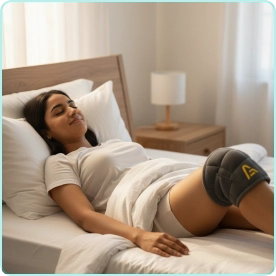
5. Neoprene Support Belt for Daily Use
Neoprene traps body heat and keeps the joint warm, which many people find soothing. It works well as knee support for daily activities such as commuting, climbing stairs, shopping, or standing through a long shift. Choose a thin version if you plan to wear it for several hours.
How to Choose the Best Knee Pain Relief Belt
The best knee pain relief belt matches your activity, your knee size, and your comfort needs. Start with these checks:
- Measure first. Wrap a tape around your knee at the point the size chart recommends, usually the center of the kneecap or just above it.
- Match the support level. Light support suits walking, while sports with cutting or jumping call for firmer structure.
- Check the material. Breathable fabric prevents sweat buildup and skin irritation.
- Test the fit. The belt should feel snug, never numb, tingly, or tight enough to leave deep marks.
Using a Knee Support Belt for Workouts
A knee support belt for workouts protects your joint when load and repetition climb. During squats, lunges, and leg presses, the belt keeps the kneecap tracking steadily and adds warmth that eases stiff joints. Runners benefit from a snug strap or compression style that stays put through impact. Wear the belt during your hardest sets or longest sessions, and remove it on rest days so your muscles keep building their own strength.
Does a Knee Pain Relief Belt Work?
Many people ask, “does a knee pain relief belt work?” The answer depends on the cause of the pain and on how you use the belt. Research on knee braces and sleeves shows that they can reduce discomfort and improve confidence during movement, particularly for mild strain and overuse. A belt does not repair damaged tissue or replace medical care. It supports the joint while your body recovers and while you build strength through exercise. If swelling, locking, or sharp pain continues, a clinician can identify the underlying issue.
How to Use a Knee Pain Relief Belt
Follow these steps to get the most from your belt:
- Clean and dry the skin. Lotion and sweat make belts slide.
- Position the belt correctly. Center it on the kneecap, or just below it for strap styles.
- Fasten with moderate tension. Tighten until you feel firm support, then loosen slightly if you notice tingling.
- Start with short sessions. Wear the belt for one to two hours at first, then extend as your comfort allows.
- Take it off to rest. Remove the belt at night and during long periods of sitting.
- Wash it regularly. Hand wash in mild soap and air dry to protect the elastic.
Pair your belt with strength exercises for the quadriceps, hamstrings, and hips. Strong muscles share the load and give your knees lasting protection.
Support That Moves With You
A well-fitted knee pain relief belt gives your joint steady support while you stay active through the day. Arthagone® builds its belts for first-time users and long-term comfort, with adjustable straps, a soft inner lining, and compression that adapts to your routine. Anyone comparing options can look into how a properly sized belt fits into their daily schedule and works alongside the warm-ups and strengthening habits already in place.
FAQs
1. Can I wear a knee pain relief belt all day?
Most people wear a belt for a few hours during activity. Wearing it all day can weaken the supporting muscles over time, so remove it when you rest.
2. Should I wear a belt over or under my clothes?
Wear it directly on clean skin when possible for the best grip. Light fabric underneath works if your skin feels sensitive.
3. How tight should a knee belt feel?
It should feel snug and supportive. Numbness, tingling, or color change in the lower leg signals that the belt is too tight.
4. Can I use a knee compression belt for running?
Yes. Runners commonly use compression belts and patellar straps because they stay secure during repeated impact.
5. When should I see a doctor?
See a healthcare professional if you notice severe swelling, a locked knee, instability, or pain that lasts more than a couple of weeks.