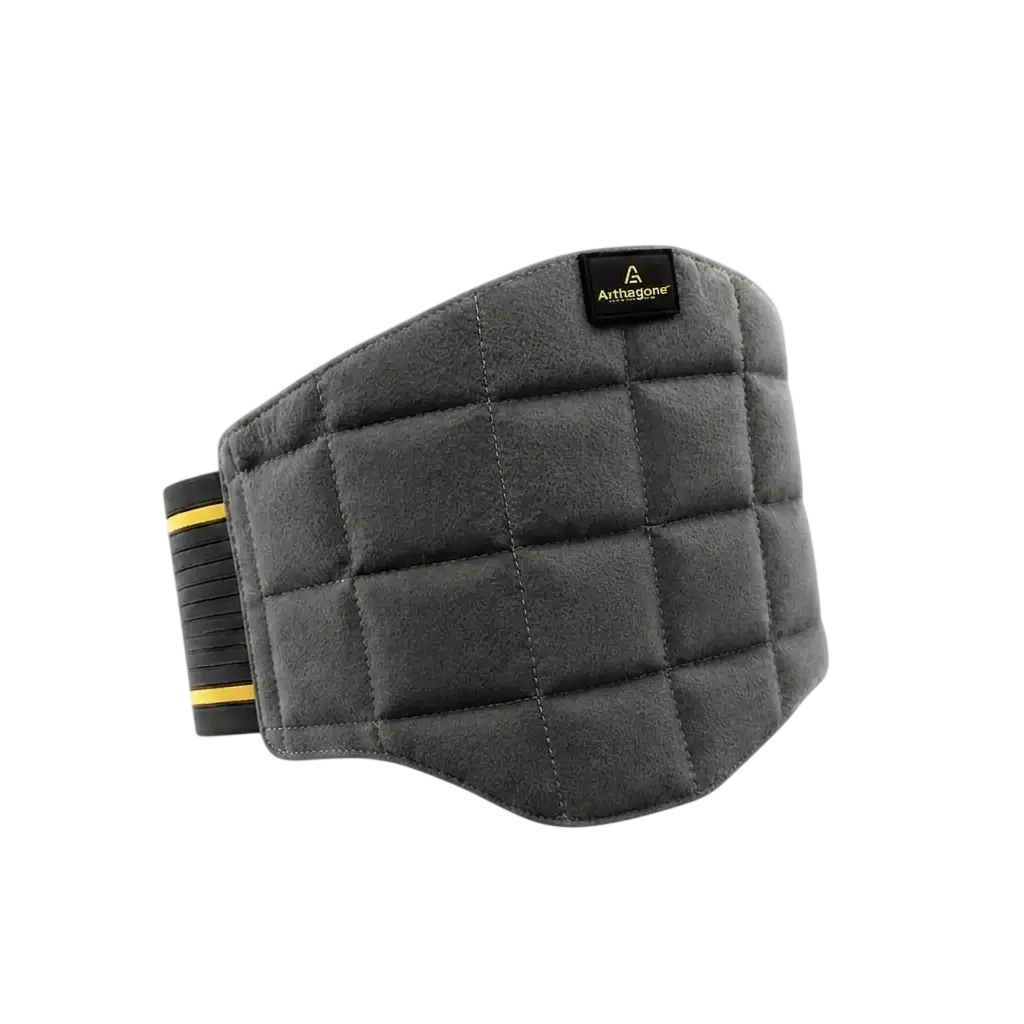
What Is a Lumbar Support Belt? Benefits, Uses, and How It Works
Lower back pain affects millions of people every year, whether it stems from long hours at a desk, heavy lifting, poor posture, or an existing spinal condition. One of the simplest and most effective tools for managing this discomfort is a lumbar support belt. This guide explains what a lumbar support belt is, how it works, and why it has become a go-to solution for people who want to protect their spine and move through their day with confidence.
Most belts on the market rely on compression and straps alone. Arthagone™ takes a different approach — one you won’t find in a generic pain relief belt.
Key Takeaways
- A lumbar support belt stabilizes the lower back, reduces strain on spinal muscles, and improves posture during daily activities.
- It works by compressing the abdominal and lower back area, which supports the spine and takes pressure off the discs and muscles.
- People recovering from injury, working physically demanding jobs, or sitting for long hours often benefit the most from wearing one.
- Choosing the right size and adjusting the fit correctly makes a significant difference in comfort and effectiveness.
- Arthagone™ goes beyond ordinary compression — its belts are infused with a scientifically developed, non-invasive, antibiotic-free active formula that supports relief from the inside as well as the outside, a technology generic lumbar belts simply don’t offer.
A lumbar support belt is a wearable brace that wraps around the lower back and abdomen to stabilize the spine, reduce muscle strain, and support proper posture. People use a lumbar support belt during physical labor, workouts, long commutes, or recovery from a back injury to limit unnecessary movement in the lumbar region. The belt works by applying gentle compression and external support, which helps distribute load away from the spinal discs and muscles. Many healthcare providers recommend a lumbar belt for back pain because it encourages the body to maintain a neutral spine position, especially during repetitive bending or lifting tasks.
Arthagone™ builds its lumbar support belts with adjustable straps and breathable fabric so users get consistent support without sacrificing comfort throughout the day and unlike most belts in the market, it doesn’t stop at compression. Arthagone™ belts feature a scientifically developed active powder formula that is non-toxic, non-hazardous, and biodegradable, designed to work alongside external support to aid natural relief. This is the kind of technology you simply won’t find in a generic pain relief belt.
How Does a Lumbar Support Belt Work?
A lumbar support belt functions through a combination of compression, structural support, and postural feedback.
- Compression: The belt tightens around the abdominal and lower back region, increasing intra-abdominal pressure. This added pressure supports the spine from the front, reducing the load carried by the lower back muscles.
- Structural stabilization: Many belts include rigid or semi-rigid panels that limit excessive bending, twisting, or arching of the spine, which lowers the risk of strain during physical activity.
- Postural reminder: Wearing the belt naturally discourages slouching or awkward lifting positions, since the brace restricts movements that push the spine out of alignment.
Together, these mechanisms help the lower back handle daily stress with less fatigue and a lower risk of injury.
Where a generic belt stops at mechanical support, Arthagone™ adds another layer:
- Scientifically developed formula: Arthagone™ belts are infused with a non-invasive, non-toxic, antibiotic-free active powder designed to support the body’s relief process from within, not just hold the spine in place from the outside.
- Boosts natural blood circulation: Improved micro-circulation in the lower back area is believed to support the body’s own repair process.
- Fluid absorption: The formula is designed to help absorb excess fluid around the affected area, which may help minimize swelling and stiffness.
This combination of external stabilization and internal support is the core difference between Arthagone™ and a typical strap-and-buckle lumbar belt.

Benefits of a Lumbar Support Belt
A back pain support belt offers several practical advantages for people managing chronic discomfort or physically demanding routines.
- Reduces lower back pain: Compression and support lessen the strain placed on muscles and ligaments, which can ease existing pain and prevent flare-ups.
- Improves posture: The belt encourages an upright, neutral spine position, whether standing, sitting, or lifting.
- Supports safe lifting: Warehouse workers, movers, and gym-goers use lumbar belts to stabilize the spine during heavy lifts, lowering the risk of acute injury.
- Speeds up recovery: People recovering from muscle strains or minor disc issues often wear a support belt to protect the area while healing.
- Increases activity tolerance: With added support, many users can stand, walk, or work longer before fatigue or discomfort sets in.
- Portable and easy to use: Unlike bulky braces, most lumbar belts fit discreetly under clothing and adjust quickly for different activities.
- Goes beyond compression alone: With Arthagone™, you also get the benefit of an active formula working alongside the belt’s structural support — something a generic pain relief belt cannot offer.
How to Use a Lumbar Support Belt
Getting the fit and technique right determines how much benefit you get from the belt.
- Measure your waist before purchasing to select the correct size; a belt that’s too loose or too tight won’t provide proper support.
- Position the belt over the lower back and abdomen, aligning it with the natural curve of the spine rather than resting it too high or too low.
- Adjust the straps so the belt feels snug but still allows normal breathing and movement.
- Wear it during specific activities such as lifting, exercising, or long periods of standing, rather than continuously throughout the day.
- Engage your core while wearing the belt instead of relying on it entirely, since the goal is added support, not a replacement for muscle strength.
- Remove it during rest to allow your muscles to continue working naturally and avoid dependency on the brace.
- With Arthagone™, wear it directly on the skin for around 4–5 hours at a time to allow the active formula to work alongside the compression support, then remove it and rest. Continuous all-day wear is not required.
When Should You Wear a Lumbar Support Belt?
Timing matters when it comes to getting real value from a lumbar support belt.
- During heavy lifting or manual labor, since these activities place the greatest strain on the lower back.
- While exercising, particularly during weightlifting, squats, or deadlifts, where spinal stability directly impacts performance and safety.
- During long periods of sitting or standing, such as desk work, driving, or retail shifts, when posture tends to break down over time.
- While recovering from a back injury, under the guidance of a healthcare provider, to limit strain while the area heals.
- During flare-ups of chronic back pain, to provide temporary relief and support while managing symptoms.
Wearing the belt selectively, rather than all day, helps the surrounding muscles stay active and prevents over-reliance on external support.
Who Should Consider Using a Lumbar Support Belt?
Certain groups tend to see the most benefit from incorporating a lumbar belt into their routine:
- Warehouse staff, movers, and construction workers who lift heavy objects regularly
- Office employees who sit for extended hours and experience postural strain
- Athletes and gym-goers performing heavy compound lifts
- Individuals recovering from lower back strains, sprains, or minor disc injuries
- Older adults looking for extra spinal support during daily activities
Anyone dealing with persistent or severe back pain should consult a healthcare professional before starting regular use of a support belt, since underlying conditions may require a different treatment approach.
Choosing a well-constructed belt makes a measurable difference in daily comfort. Arthagone™ offers a lineup of lumbar support belts engineered with breathable materials, adjustable compression levels, ergonomic designs, and its signature scientifically developed active formula — a combination of technology suited to different body types and activity levels that you won’t find in a generic pain relief belt. Exploring the available options is a practical first step toward building a routine that keeps your back supported where it matters most.
Frequently Asked Questions
1. Can I wear a lumbar support belt all day?
Wearing it continuously isn’t recommended, since your core muscles need to stay active. Most people benefit from wearing it during specific activities like lifting or long periods of standing, then removing it during rest. With Arthagone™, 4–5 hours of wear is generally enough for the active formula to support the relief process.
2. Does a lumbar support belt cure back pain?
No, it doesn’t cure the underlying cause of pain. It manages symptoms by reducing strain and supporting posture, but persistent pain should be evaluated by a healthcare provider.
3. Can a lumbar belt weaken my back muscles over time?
Overuse without engaging your core can lead to reduced muscle activation. Using the belt selectively, rather than as a constant crutch, helps avoid this issue.
4. What’s the difference between a lumbar support belt and a back brace?
A lumbar support belt typically offers moderate compression and flexibility for daily use, while a back brace often provides more rigid support for post-injury or post-surgical recovery.
5. How tight should a lumbar support belt be? It should feel snug enough to provide support without restricting breathing or circulation. You should be able to move comfortably while wearing it.
6. Is a lumbar support belt suitable for sciatica pain?
Some people find relief from mild sciatica symptoms with added lumbar support, but severe or persistent nerve pain should be assessed by a doctor before relying on a belt alone.
7. What makes Arthagone™ different from a generic lumbar support belt?
Most lumbar belts on the market work through compression and structural support alone. Arthagone™ belts add a scientifically developed, non-invasive, non-toxic, antibiotic-free active formula that’s designed to support natural relief, circulation, and fluid absorption — a technology not found in typical strap-and-buckle belts.