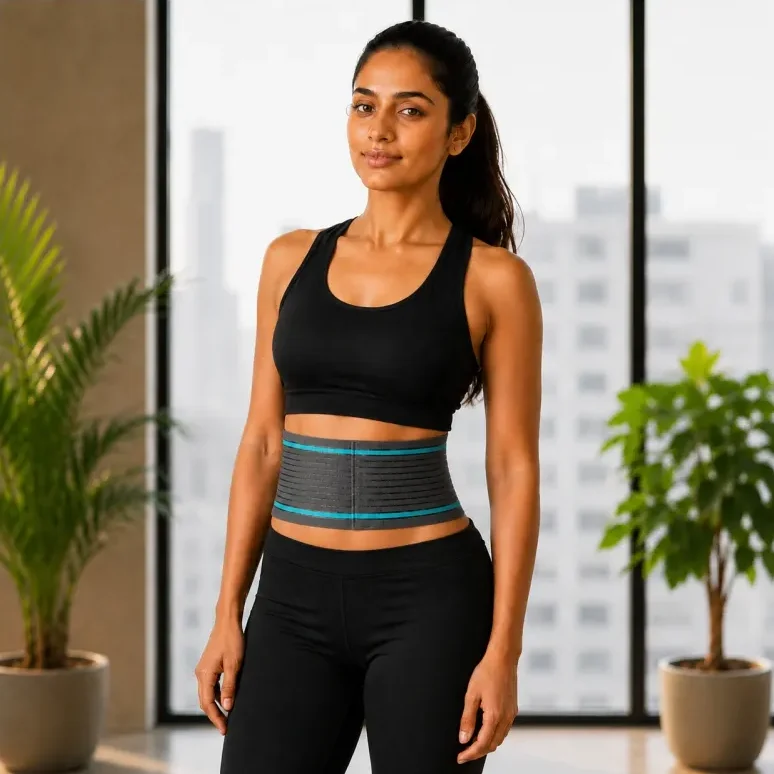
How to Wear a Lower Back Support Brace Correctly
Wearing a lower back support brace the right way makes the difference between real relief and wasted effort. Many people buy a brace, strap it on however feels convenient, and wonder why their pain doesn’t improve. The truth is that positioning, tightness, and timing all matter. Brands like Arthagone™ design their braces with adjustable panels and flexible support bars specifically so users can customize the fit to their body. But even the best brace only works if you wear it correctly.
This guide walks you through exactly how to position, adjust, and use your brace so you get real support instead of just a tight strap around your waist.
Key Takeaways
- Position the brace so it sits directly over your lower back, not your hips or mid-back.
- Tighten it enough to feel support without restricting your breathing or circulation.
- A lower back support brace should stabilize your spine while still allowing natural movement.
- Don’t wear it all day, every day; your core muscles need to keep working too.
- Combine brace use with posture awareness and light stretching for the best long-term results.
Why Correct Positioning Matters
A lower back support brace works by stabilizing the lumbar spine, reducing strain on muscles and discs, and reminding your body to maintain better posture. If it’s positioned too high, it presses against your ribs. Too low, and it just becomes a belt that squeezes your hips without doing anything for your spine. The panel or support bar built into most braces needs to line up with your natural lower back curve for it to actually do its job.
Step-by-Step: How to Use a Lower Back Support Brace
1. Start with a clean, dry area. Skin oils and sweat make the brace slip, so put it on over a light shirt or directly on clean skin.
2. Locate your lumbar curve. Run your hand along your spine until you feel the inward curve just above your hips. This is where the brace’s rigid or semi-rigid support panel should rest.
3. Wrap it around your torso. Pull the brace around your waist and secure the primary closure first, usually with a hook-and-loop strap.
4. Adjust the side straps. Most lumbar support brace designs include secondary straps that pull the sides tighter for added compression. Tighten these evenly on both sides so the pressure feels balanced.
5. Check your breathing. You should be able to take a full breath without the brace digging in. If it restricts breathing or feels numbing, loosen it slightly.
6. Test your movement. Bend slightly forward and side to side. The brace should support you without locking your spine completely rigid.
Getting the Right Fit
A brace that’s too loose won’t stabilize anything, and one that’s too tight can cause skin irritation, poor circulation, or muscle weakening over time. When trying a lower back support belt, look for:
- Adjustable straps that let you fine-tune compression throughout the day
- Breathable material so you’re not sweating through long wear
- A support panel that matches your torso length, not just your waist size
If you’re unsure which size fits, measure around your natural waistline while standing straight, and compare that number to the brand’s sizing chart rather than guessing.
How Long Should You Wear It? Can You Wear a Lower Back Brace All Day?
This is one of the most common questions people ask, and the honest answer is no, you shouldn’t wear a brace continuously for eight or more hours without breaks. While a lower back pain brace can absolutely help during activities that strain your back (lifting, long drives, extended standing), wearing it constantly can lead your core and back muscles to rely on the brace instead of doing their own job.
A reasonable approach:
- Wear it during high-strain activities or flare-ups
- Take it off during rest periods or when seated for long stretches
- Limit continuous wear to 2–4 hours at a time unless a healthcare provider says otherwise
- Use it as a short-term support tool alongside stretching, posture correction, and strengthening exercises
Common Mistakes to Avoid
- Wearing it over thick clothing — this reduces the accuracy of the fit and support.
- Over-tightening — more pressure doesn’t mean more support; it just restricts movement.
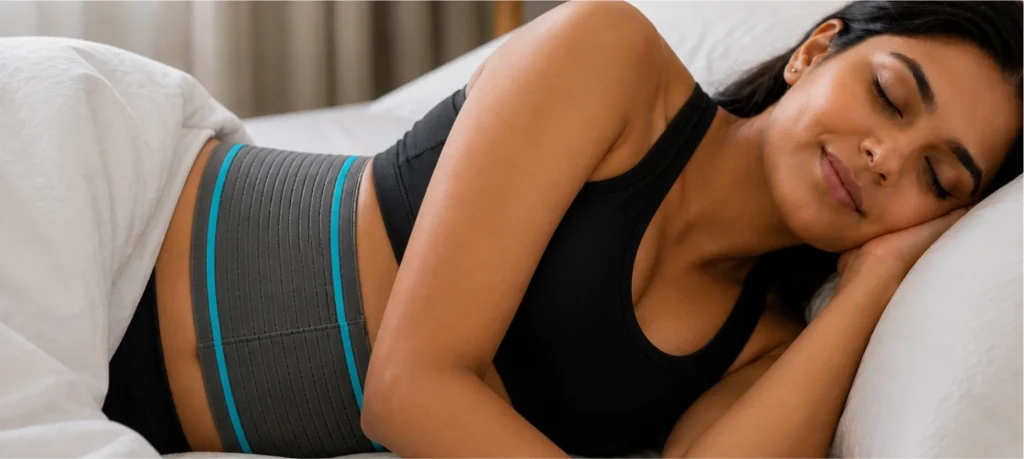
- Wearing it while sleeping — braces are designed for active support, not for lying down.
- Ignoring skin irritation — redness or numbness means it’s time to adjust or remove it.
- Using it as a permanent fix — a brace supports recovery, but it doesn’t replace addressing the root cause of pain.
If you’re dealing with persistent discomfort, pairing a properly fitted brace with guided movement often produces better results than the brace alone. Arthagone™ braces are built with adjustable dual straps and a contoured lumbar panel specifically so you can dial in a fit that supports movement rather than restricting it something worth checking out if your current brace isn’t giving you the support you expected. Many people looking for a lower back support brace find that the right combination of fit, breathable fabric, and adjustable compression changes how much relief they actually feel during the day.
Frequently Asked Questions
How tight should a lower back support brace be?
It should feel snug and supportive without restricting breathing, causing numbness, or leaving deep marks on your skin after removal.
Can I wear a lumbar support brace while exercising?
Light activity and walking are generally fine, but avoid heavy lifting or high-impact workouts while wearing one unless a professional has specifically recommended it for that purpose.
How do I know if my brace is positioned correctly?
The rigid support panel should sit directly over your lower back curve, not on your hips or mid-back, and you should feel even pressure across both sides.
Q: Is it normal for skin to feel irritated after wearing a brace?
Mild pressure marks that fade quickly are normal, but persistent redness, itching, or numbness means the brace is too tight or positioned incorrectly.
How long does it take to feel relief after using a lower back support brace?
Some people notice reduced strain immediately during activity, while full benefits for chronic discomfort often build over consistent, correct use combined with other care.