
Knee Pain Support Belt: Types, Fit, and How to Use One for Daily Comfort
Knee trouble rarely announces itself loudly. It starts as a twinge on the stairs, a stiff first few steps in the morning, or a feeling that the joint is not quite as reliable as it used to be. A knee pain support belt is a popular way to feel more secure during those moments, but the market is full of different designs, and the wrong choice can leave you with a belt that slips, pinches, or does very little. This guide explains the main types of knee support, which situations they suit, how to get the fit right, and how to use one without leaning on it too much.
Key Takeaways
- A knee pain support belt offers compression, warmth, and a steadier feel around the joint. It does not repair the cause of pain.
- Supports range from soft wraps and sleeves to firmer designs with side stabilizers. Pick the lightest option that gives you the comfort you need.
- Fit is critical. A support that slides or squeezes too hard can do more harm than good.
- Evidence for knee braces is mixed, so treat a belt as a comfort aid alongside exercise.
- Persistent swelling, locking, or giving way needs a medical check, not just more support.
The simplest way to think about a knee pain support belt is as a reminder and a cushion of comfort. It wraps the joint, holds in warmth, and gives your body extra information about where the knee is. That can help you walk, climb, and stand with more confidence. What it cannot do is rebuild cartilage, heal a torn ligament, or replace the strength of the muscles around the joint.
What Is a Knee Pain Support Belt?
A knee pain support belt is a flexible band or wrap that fits around the knee, usually secured with adjustable straps or hook-and-loop closures. Unlike a rigid medical brace, it is designed mainly for comfort and light stability during everyday use. Many people choose one because it is easy to put on, discreet under clothing, and available without a prescription.
Knee support products overlap in name, so you will see belts, wraps, straps, sleeves, and braces used loosely. Knowing the differences helps you buy what you actually need.
Types of Knee Support Belts
Wrap-Around Belts
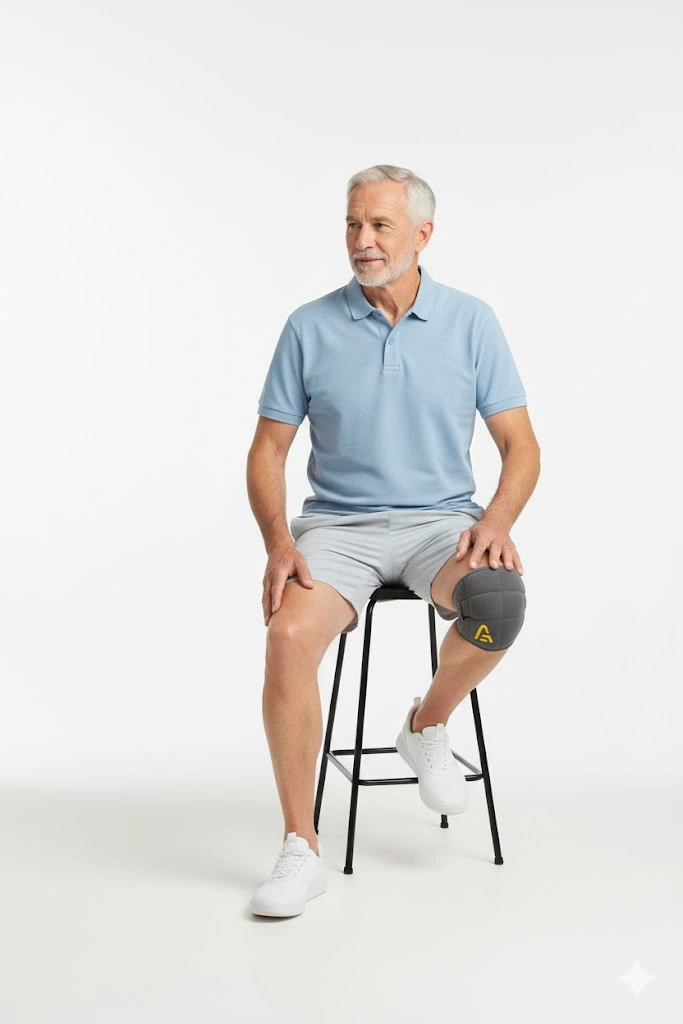
These wrap around the joint and fasten with straps, which lets you adjust the compression. They are easy to put on while seated and suit people whose pain levels or swelling change through the day.
Compression Sleeves
A sleeve slides on over the foot like a sock. It offers even compression and warmth but little adjustment, so correct sizing matters most.
Patellar Straps
A narrow strap sits just below the kneecap. People often use it for pain at the front of the knee or around the tendon below the kneecap, particularly with running or jumping activity.
Belts With Stabilizers
Some designs add side supports or flexible stays to limit sideways movement. They give a firmer feel and may suit people who feel the knee wobble, but they can also feel bulkier.
Hinged Braces
These are firmer devices often recommended by clinicians after an injury or for specific conditions. If you think you need one, get advice first rather than choosing on your own.
Which Support Suits Which Situation?
Walking and Daily Errands
A soft wrap or sleeve is usually enough. The aim is comfort and a steadier feel, not heavy restriction.
Stairs and Hills
Stairs load the joint heavily. A wrap-around belt with adjustable compression lets you tighten it for climbing and loosen it afterward.
Gym and Light Exercise
Pick something that stays put when you bend and straighten. A belt that slides down the leg is more distracting than helpful.
Running and Impact Activity
Patellar straps and snug sleeves are common choices, but make sure you are building up gradually. Support does not make up for doing too much too soon.
Standing Jobs
For long shifts, breathable fabric matters. Pick a lightweight belt that you can wear comfortably for several hours without overheating.
Recovering From a Minor Strain
A belt can add reassurance as you return to normal movement. If the injury was significant, follow the advice of a clinician on what to wear and when.
How to Choose a Knee Pain Support Belt
Measure Accurately
Follow the sizing chart. Many brands ask you to measure around a specific point above or below the kneecap. Measure with the leg relaxed and slightly bent.
Prefer Adjustable Compression
Your knee may feel different in the morning than after a long walk. Adjustable straps let you adapt without changing belts.
Check the Fabric
Breathable material reduces sweat and skin irritation. Soft edges and non-slip lining help the belt stay in place.
Consider the Closure
Hook-and-loop straps are easy to adjust, but they should lie flat and not rub the back of the knee when you bend.
Match Firmness to Your Needs
Stiffer is not always better. A very rigid support can feel clumsy and limit movement more than necessary.
How to Wear a Knee Support Belt Correctly
1. Sit down first. Put the belt on with your knee slightly bent and your leg relaxed.
2. Center it on the joint. The belt should sit evenly around the knee without twisting or bunching.
3. Fasten from the middle outward. Start with the central strap if there is one, then adjust the others to even pressure.
4. Test the fit. Stand, walk a few steps, and bend the knee. The belt should stay in place without cutting in behind the knee.
5. Aim for snug, not tight. You should not feel numbness, tingling, or a pulsing sensation in the lower leg.
6. Take it off when resting. Give the skin and muscles regular time without support.
Caring for Your Knee Support Belt
Sweat and skin oils break down fabric and cause odors. Wash the belt according to its care label, usually by hand with mild soap, and let it air dry away from direct heat. Check the straps regularly, and replace the belt if the fabric stretches out or the fastenings stop holding.
What the Research Says About Knee Braces
The honest picture is mixed. A Cochrane review of braces and orthoses for knee osteoarthritis, along with later reviews, found that the evidence is limited and of low quality. Some studies reported less pain, better function, or more confidence in movement. Others found no clear difference compared with no brace.
In practice, this means results differ from person to person. A knee pain support belt is best viewed as a way to feel more comfortable while you work on the real drivers of knee health, such as strength, activity pacing, and weight management.
Common Mistakes to Avoid
• Buying without measuring. A wrong size is the main reason belts slip or pinch.
• Wearing it constantly. Your muscles need to keep doing their own work.
• Pulling it too tight. Extra pressure can restrict circulation and cause discomfort.
• Using it to push through sharp pain. Pain is information, not something to override.
• Skipping strength work. No belt replaces strong thighs and hips.
Additional Strategies to Complement a Knee Support Belt
Strengthen the Muscles Around the Knee
Stronger quadriceps, hamstrings, and glutes share the load. Try our knee strengthening exercises to build that support.
Keep Moving
Gentle, low-impact movement such as walking, cycling, and swimming keeps the joint mobile. Complete rest tends to make stiffness worse.
Know the Likely Cause
Understanding the common causes of knee pain helps you choose the right approach, and early wear in the joint is often linked to knee osteoarthritis.
Ease Pressure on Stairs and Hills
Use handrails, take stairs one step at a time, and shorten your stride when walking downhill. See our tips on knee pain when climbing stairs.
Support Your Sleep
A pillow between the knees can ease pressure when side sleeping. If knee pain at night keeps happening, mention it to a doctor.
When to Seek Professional Help
While an Arthagone® knee pain support belt may help with everyday discomfort, some symptoms call for medical attention. See a healthcare professional if you have severe pain after an injury, a knee that locks or gives way, swelling that is significant or keeps coming back, redness with warmth or fever, trouble putting weight on the leg, visible deformity, or pain that continues at rest or at night. Swelling and tenderness in the calf also need prompt attention.
Frequently Asked Questions
What does a knee pain support belt do?
It wraps the knee in compression and warmth, which can make the joint feel steadier and less stiff. It also gives your body extra feedback about knee position.
Is a knee support belt the same as a knee brace?
Not exactly. Belts and sleeves are lighter and meant for everyday comfort, while braces are often firmer and may be recommended for specific injuries or conditions.
Can I wear a knee pain support belt all day?
It is better to wear it during activities that trigger pain and remove it when resting, so your muscles continue to do their own work.
How tight should a knee support belt be?
Snug but comfortable. You should be able to bend the knee freely and should not feel numbness, tingling, or a pulsing sensation.
Can I wear one while walking or exercising?
Yes, many people do. Make sure it stays in place and does not rub behind the knee, and keep your strength routine going.