

Lower Back Support Belt: What It Does, Who Needs One, and How to Wear It Right
The lower back does a lot of quiet work. It holds you upright while you sit, absorbs force when you lift, and links your upper and lower body every time you walk. When it starts to ache, you notice it with almost every movement. A lower back support belt is one of the most widely used tools for easing that strain, yet many people buy one without knowing what it is designed to do or how to use it. This guide covers how these belts work, the main types, what the research says, how to choose one, and how to wear it correctly.
Key Takeaways
- A lower back support belt gives compression, warmth, and a gentle reminder to move with better posture. It does not fix the cause of pain.
- Belts range from soft elastic wraps to firmer designs with rigid panels. The right one depends on your symptoms and activity.
- Research on lumbar supports is mixed, so the belt is best treated as a comfort aid rather than a proven treatment.
- Correct fit and sensible wearing time matter as much as the belt itself.
- Core strength, movement, and good ergonomics do more for long-term back health than any belt alone.
A lower back support belt sits around the waist and lumbar area and applies even pressure to the muscles that support the spine. That pressure can make the back feel steadier during movement, while the warmth it holds in can ease stiffness. For people who sit at desks, drive long distances, or lift and carry through the day, it offers a drug-free way to take the edge off discomfort. Understanding what it can and cannot do helps you get real value from it.
What Is a Lower Back Support Belt?
A lower back support belt, sometimes called a lumbar support belt, is a band of fabric worn around the lower torso. It is designed to sit over the lumbar spine, the section of the back between the ribs and the pelvis. Most designs use elastic or neoprene-style material with adjustable closures, and some add stiffening panels along the spine.
Its job is supportive rather than corrective. It cannot realign the spine or heal a damaged disc. What it can do is change how the area feels and, to some degree, how you move.
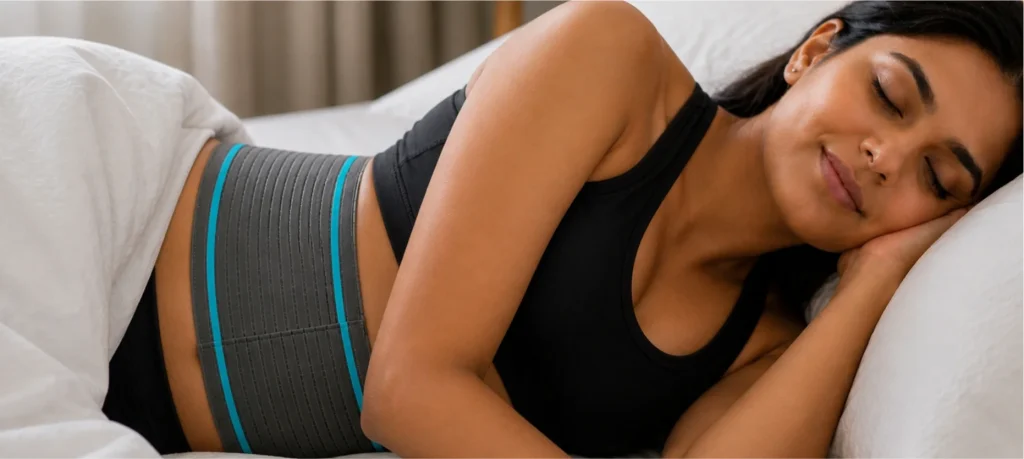
How Does a Lower Back Support Belt Work?
Compression Around the Core
The belt squeezes the abdomen and lower back evenly. Many people describe this as a feeling of being held together, which can make bending, standing, and walking feel less daunting when the back is sore.
Warmth for Tight Muscles
Belts trap body heat close to the skin. This warmth can help stiff muscles relax, especially in the morning or in cold weather. It does not repair tissue, but it can make movement more comfortable.
Movement Feedback
The belt gives constant gentle feedback about the position of your trunk. When you slump or twist sharply, you feel the resistance, which can prompt you to correct your posture or slow down.
Limits on Extreme Movement
Firmer belts discourage sudden bending and twisting. This can be useful during a flare-up, though it also means you should not rely on a belt to stay in awkward positions.
Types of Lower Back Support Belts
Elastic Lumbar Wraps
These are the most common. They are soft, flexible, and easy to wear under clothing, which makes them suitable for mild pain and daily use.
Belts With Rigid Panels
Stiffer stays along the spine add structure and limit movement more. They suit people who want firmer support during heavier tasks or while recovering from a strain.
Lifting and Work Belts
Wider and sturdier, these are designed for manual handling and repetitive lifting. They are worn during the task and removed afterward.
Posture-Focused Supports
Some designs combine a lower back belt with shoulder or upper back straps to encourage upright posture. They are better suited to people whose pain comes mainly from slouching.
Who Benefits From a Lower Back Support Belt?
Desk Workers and Drivers
Hours of sitting load the lumbar spine. A belt worn during long sitting can serve as a posture cue and ease the tightness that builds by the end of the day.
People in Physical Jobs
Warehouse staff, delivery workers, and tradespeople often bend, twist, and carry. A belt can add a sense of stability, as long as safe lifting technique stays the priority.
Gym-Goers and Active Adults
People who train or play sport may use a belt for reassurance when their back feels fatigued. It should supplement good form, not replace it.
People With Muscle Strain
After a minor strain, a belt can make it easier to keep moving gently while the muscles recover.
Older Adults
Reduced core strength can make everyday tasks harder. A belt can add confidence during gardening, cleaning, or walking, alongside exercises that rebuild strength.
What the Research Says About Lumbar Supports
The evidence deserves a straight answer. A Cochrane review of lumbar supports for low back pain, along with later reviews, found that the evidence is limited and of low quality. For preventing back pain at work, belts did not show a clear benefit. For people who already have pain, some studies reported better comfort or function, while others saw little difference.
This does not mean belts are useless. Many people find them comforting and report that they move more easily while wearing one. It does mean they should be treated as a short-term comfort aid to use alongside exercise, activity pacing, and good ergonomics, not as a stand-alone solution.
How to Choose the Right Lower Back Support Belt
Get the Size Right
Measure your waist or hips as the sizing chart instructs. A belt that is too loose slips and gives little support, while one that is too tight can restrict breathing and cause discomfort.
Match the Firmness to Your Needs
Mild aches usually respond to a soft wrap. Choose rigid panels only if you need firmer support, and avoid going stiffer than necessary.
Look for Adjustable Compression
Adjustable straps let you loosen the belt when sitting and tighten it for activity. This flexibility makes it easier to wear comfortably through the day.
Check Material and Breathability
Breathable fabric suits long wear and warm weather. Thicker materials hold more heat and suit cooler conditions.
Think About Discretion
If you plan to wear the belt at work, pick a slim profile that sits flat under clothes and does not ride up when you sit.
How to Wear a Lower Back Support Belt Correctly
- Position it low. Center the belt over your lower back so the widest part covers the lumbar area and the lower edge sits just above the hips.
- Fasten it evenly. Pull both sides with equal tension so the pressure is balanced.’
- Aim for snug, not tight. You should be able to breathe fully, sit comfortably, and slide a finger under the edge.
- Wear it for the right moments. Use it during tasks that trigger pain, such as lifting, long drives, or standing for long periods.
- Take it off when resting. Remove it while lying down or sleeping, and give your muscles regular time without it.
- Watch for warning signs. Stop using it if you notice numbness, tingling, skin irritation, or pain that increases.
Common Mistakes to Avoid
- Wearing it all day. Constant use may encourage your muscles to rely on external support.
- Over-tightening. More pressure does not mean more benefit and can cause discomfort.
- Skipping exercise. A belt cannot build the strength your spine needs.
- Ignoring poor lifting form. A belt does not make unsafe lifting safe.
- Using it to push through serious pain. Pain that worsens needs assessment, not more support.
Additional Strategies to Complement a Lower Back Support Belt
Strengthen Your Core
Exercises such as bird dogs, planks, and glute bridges build the internal support that protects the spine. Our guide to lower back strengthening exercises is a good place to start.
Improve Your Workspace
Set your chair, desk, and screen so you can sit with a supported lower back, and stand up every hour. See our tips on sitting posture for back pain for more detail.
Lift Smarter
Bend at the knees, keep the load close to your body, and avoid twisting. Good technique matters more than any belt.
Stay Active
Walking, swimming, and gentle stretching keep the back mobile. Long rest tends to make stiffness worse.
Sleep Supportively
A pillow between the knees when side sleeping, or under the knees when lying on your back, can ease pressure. If lower back pain at night keeps returning, speak to a doctor.
When to Seek Professional Help
While an Arthagone® lower back support belt may help with everyday discomfort, some symptoms need medical attention. See a healthcare professional if you have numbness or tingling in the legs, weakness, loss of bladder or bowel control, pain that radiates down one or both legs, severe pain after a fall or injury, fever with back pain, or pain that is not improving or is worse at night. These signs may point to a condition that a belt cannot address.
Frequently Asked Questions
What does a lower back support belt do?
It applies compression and warmth around the lumbar area, which can make the back feel steadier and less stiff. It also gives feedback about posture and discourages sudden twisting or bending.
Is it good to wear a lower back support belt every day?
Occasional daily use during trigger activities is fine for many people. Wearing it constantly is not advised, because your muscles may start to rely on it.
How tight should a lower back support belt be?
Snug and supportive, but comfortable. You should be able to breathe fully and sit without pain, and you should not feel numbness or tingling.
Can I wear a lower back support belt while sitting at a desk?
Yes, many people do. Loosen it slightly when seated, make sure it does not dig in, and still take regular movement breaks.
Will a lower back support belt prevent back injuries?
The evidence for prevention is weak. A belt may give a feeling of support, but safe lifting technique, strength, and rest are more reliable protection.