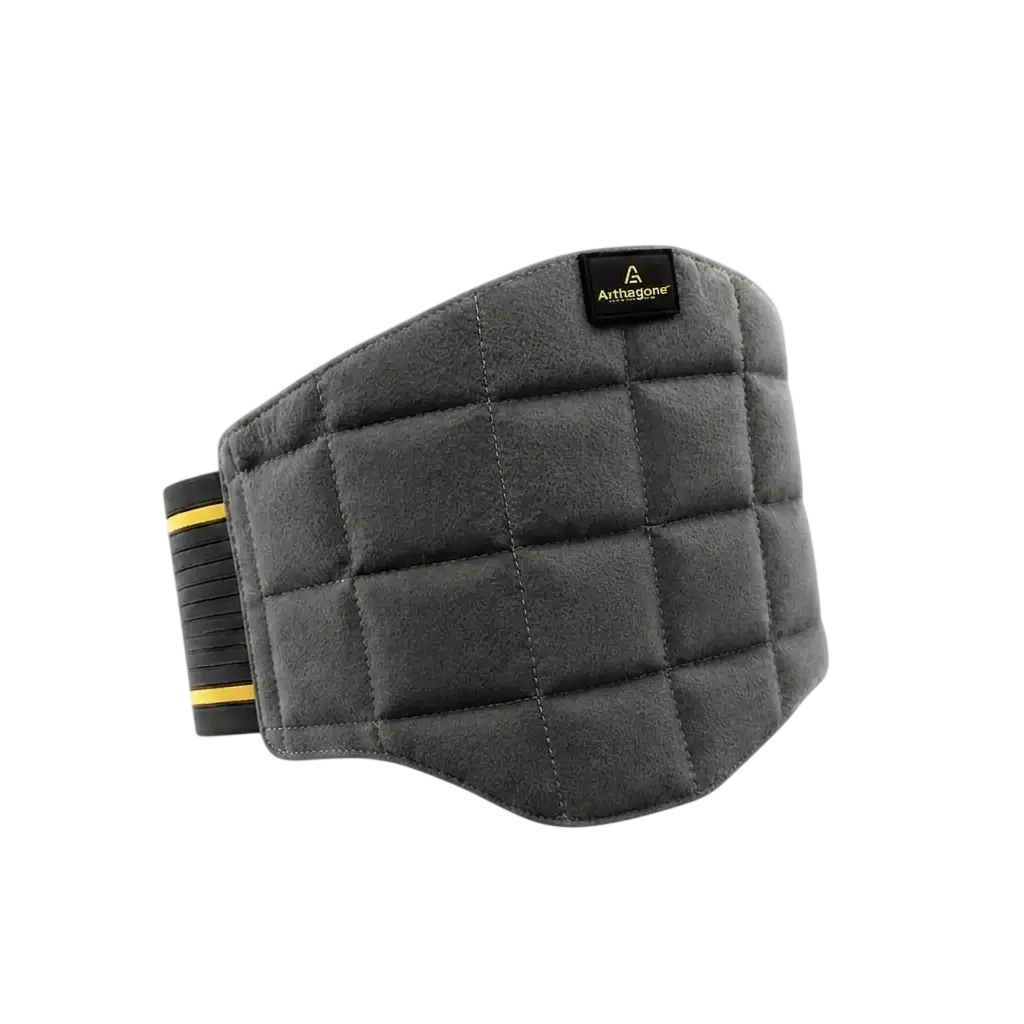
How a Back Pain Relief Belt Can Help Reduce Everyday Back Pain
Back pain interrupts daily life more than most people realize. It slows you down at work, makes household chores feel impossible, and turns simple activities like bending or lifting into painful challenges. Millions of people search for practical solutions every day, and one product consistently stands out for its simplicity and effectiveness: the back support belt. This article explains how this tool works, who benefits from it, and how you can use it correctly to manage pain and protect your spine.
Key Takeaways
- A back pain relief belt stabilizes the lower spine, reduces pressure on discs, and supports proper posture during daily activities.
- People with muscle strain, poor posture, sedentary jobs, or physically demanding work benefit most from wearing a support belt.
- A lower back support belt does not replace medical treatment; it works best alongside stretching, strengthening exercises, and ergonomic adjustments.
- Choosing the right size, material, and compression level directly affects how well the belt performs.
- Overuse of a lower back pain belt can weaken core muscles, so timing and duration matter.
A back pain relief belt gives immediate, noticeable support to people dealing with chronic discomfort or sudden strain. It wraps around the lower torso and applies gentle compression, which stabilizes the muscles surrounding the spine. This stabilization reduces the load on the lumbar region, making movements like standing, walking, and lifting significantly easier. Many people who work desk jobs, drive for long hours, or perform repetitive physical labor turn to this belt as a practical way to manage pain without relying entirely on medication. It offers a drug-free approach that fits easily into daily routines, whether at home, in the office, or during physical activity.
Understanding Everyday Back Pain
Back pain rarely comes from a single dramatic event. It builds gradually through repeated strain, poor sitting habits, weak core muscles, or improper lifting techniques. Office workers often develop pain from sitting for extended periods with rounded shoulders and a slouched spine. Manual laborers experience pain from repetitive bending, twisting, and heavy lifting. Even people who exercise regularly can strain their lower back if they use incorrect form during workouts.
The lumbar spine carries a significant portion of the body’s weight, which makes it particularly vulnerable to stress. When the muscles supporting this area weaken or become fatigued, the spine loses stability. This instability leads to discomfort that can range from a dull ache to sharp, debilitating pain. Left unaddressed, minor back pain can develop into chronic conditions that affect mobility and overall quality of life.
How Does a Back Pain Relief Belt Work?
A back pain relief belt works through a combination of compression, support, and postural correction. Understanding the mechanics behind this tool helps you use it more effectively and set realistic expectations for results.
Compression and Stabilization
The belt applies consistent pressure around the abdominal and lumbar region. This compression increases intra-abdominal pressure, which acts like a natural support system for the spine. When intra-abdominal pressure rises, it reduces the direct load placed on the vertebrae and surrounding muscles. This mechanism mirrors what happens when your core muscles engage properly during movement, except the belt provides this support externally, which benefits people whose core muscles are weak or fatigued.
Restricting Excessive Movement
Sudden twisting or bending motions often trigger back injuries. A lower back support belt limits the range of motion in the lumbar spine, which prevents movements that could aggravate an existing injury or cause a new one. This restriction proves especially useful during physical tasks like lifting boxes, moving furniture, or performing repetitive motions at work.
Improving Posture Awareness
Wearing a belt creates physical feedback that reminds you to maintain proper posture. When you start slouching or rounding your shoulders, the belt applies gentle resistance, prompting you to correct your position. Over time, this feedback loop helps you develop better postural habits, even when you’re not wearing the belt.
Increasing Blood Flow and Warmth
Many back support belts use materials that retain heat around the lower back. This warmth increases blood circulation to the area, which can reduce muscle stiffness and promote faster recovery from minor strains. Improved circulation also helps deliver oxygen and nutrients to the muscles, supporting the healing process.
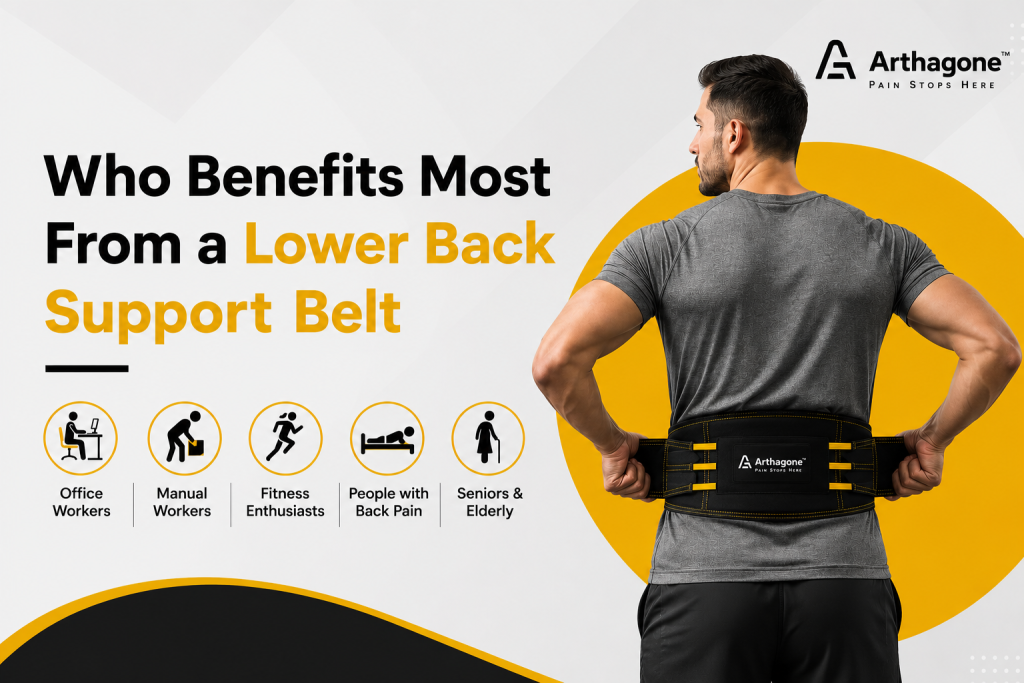
Who Benefits Most From a Lower Back Support Belt
Different groups of people experience distinct advantages when they incorporate a support belt into their routine.
Office and Desk Workers
Sitting for eight or more hours a day puts continuous pressure on the lumbar spine. A lower back support belt helps desk workers maintain better posture throughout the day, reducing the cumulative strain that builds from prolonged sitting. It also serves as a reminder to sit upright rather than slumping into a chair.
Manual Laborers and Warehouse Workers
People who lift, carry, or move heavy objects regularly face a higher risk of back injuries. Wearing a belt during physically demanding tasks provides extra stability and reduces the likelihood of sudden strains. Warehouse workers, movers, and construction workers often rely on these belts as part of their standard safety gear.
Athletes and Fitness Enthusiasts
Weightlifters and athletes who perform heavy compound movements, such as squats or deadlifts, use back support belts to maintain proper spinal alignment under load. The added stability allows them to lift heavier weights with reduced risk of injury, though proper form remains essential regardless of belt use.
People Recovering From Minor Injuries
Individuals recovering from mild back strains or muscle pulls often use a support belt during the healing process. The belt limits movement that could reinjure the area while allowing enough mobility to continue with light daily activities.
Older Adults With Weakening Core Muscles
As people age, core muscle strength naturally declines, which can lead to increased back pain and reduced spinal stability. A lower back pain belt offers older adults additional support during daily tasks like gardening, cleaning, or walking, helping them stay active without excessive discomfort.
Choosing the Right Back Pain Relief Belt
Selecting an appropriate belt makes a significant difference in how effectively it addresses your pain. Consider the following factors before making a purchase.
Size and Fit
A belt that fits properly wraps snugly around your torso without cutting off circulation or causing discomfort. Measure your waist accurately and consult sizing charts before purchasing. A belt that’s too loose won’t provide adequate support, while one that’s too tight can restrict breathing and movement.
Material and Breathability
Look for belts made from breathable, moisture-wicking materials, especially if you plan to wear the belt during physical activity or in warm environments. Neoprene offers strong compression and heat retention, while mesh fabrics provide better airflow for extended wear.
Adjustable Compression Levels
Belts with adjustable straps allow you to customize the level of compression based on your activity and pain level. This flexibility proves useful because you may need firmer support during heavy lifting and lighter compression during everyday tasks.
Rigid vs. Flexible Support
Some belts include rigid stays or panels for maximum stability, while others rely purely on flexible fabric and compression. Rigid support works well for severe pain or heavy labor, while flexible options suit people with mild discomfort or those seeking postural reminders during daily activities.
Ease of Movement
A quality lower back support belt should allow you to bend, sit, and move naturally without excessive restriction. Test the range of motion before committing to a specific style, particularly if you need to remain active while wearing it.
How to Use a Back Support Belt Correctly
Using the belt properly maximizes its benefits and prevents potential downsides.
Position It Correctly
Place the belt so it sits snugly around your lower back and abdomen, with the widest part covering the lumbar region. Adjust the straps evenly on both sides to maintain balanced compression.
Wear It During High-Risk Activities
Put the belt on before engaging in activities that strain your back, such as lifting heavy objects, standing for long periods, or performing repetitive bending motions. This proactive approach helps prevent injuries before they happen.
Avoid Constant Wear
Wearing a back support belt all day, every day, can weaken your core muscles over time because the belt takes over work that your muscles should perform. Use it strategically during specific tasks rather than as a permanent accessory.
Combine It With Strengthening Exercises
A belt provides external support, but building internal core strength offers long-term protection against back pain. Incorporate exercises like planks, bird dogs, and pelvic tilts into your routine to strengthen the muscles that naturally stabilize your spine.
Monitor Your Body’s Response
Pay attention to how your body feels while wearing the belt. If you experience numbness, increased pain, or discomfort, remove the belt and reassess the fit or consult a healthcare provider.
Additional Strategies to Complement Belt Use
A lower back pain belt works best as part of a broader approach to spinal health.
Practice Proper Lifting Techniques
Bend at the knees rather than the waist when lifting objects, keep the item close to your body, and avoid twisting while lifting. These techniques reduce strain on your lower back regardless of whether you’re wearing a support belt.
Maintain an Active Lifestyle
Regular movement keeps your muscles flexible and strong, reducing the likelihood of stiffness and pain. Walking, swimming, and low-impact stretching routines support spinal health without placing excessive stress on the back.
Adjust Your Workspace Ergonomics
Set up your desk, chair, and computer monitor to encourage proper posture. Use a chair with adequate lumbar support, keep your screen at eye level, and take breaks every hour to stand and stretch.
Stay Hydrated and Maintain a Healthy Weight
Spinal discs rely on proper hydration to maintain their cushioning ability. Excess body weight also places additional pressure on the lumbar spine, increasing the risk of pain and injury.
Sleep With Proper Support
Choose a mattress and pillow that support spinal alignment while you sleep. Sleeping on your side with a pillow between your knees, or on your back with support under your knees, helps maintain a neutral spine position throughout the night.
When to Seek Professional Help
While an Arthagone® back pain relief belt helps manage everyday discomfort, certain symptoms require medical attention. Seek professional care if you experience numbness or tingling in your legs, sudden loss of bladder or bowel control, severe pain that doesn’t improve with rest, or pain that radiates down one or both legs. These symptoms could indicate a more serious underlying condition that requires diagnosis and treatment beyond what a support belt can address.
Frequently Asked Questions
How does a back pain relief belt work?
A back pain relief belt works by applying compression around the lumbar and abdominal region, which increases intra-abdominal pressure and reduces the load placed on the spine. It also restricts excessive movement, improves posture awareness, and retains heat to boost blood circulation in the lower back.
Can I wear a lower back support belt all day?
Wearing the belt continuously isn’t recommended because it can weaken your core muscles over time. Use it during specific activities that strain your back, such as lifting, standing for long periods, or performing repetitive tasks, rather than keeping it on throughout the entire day.
Does a lower back pain belt cure back pain permanently?
A support belt manages symptoms and provides temporary relief, but it doesn’t address the underlying causes of back pain, such as weak core muscles or poor posture. Combining belt use with targeted exercises and ergonomic adjustments offers more sustainable results.
Who should avoid using a back support belt? People with certain medical conditions, such as severe respiratory issues or specific spinal abnormalities, should consult a doctor before using a support belt. Pregnant individuals should also seek medical guidance to ensure the belt doesn’t interfere with their pregnancy.
How tight should a lower back support belt be?
The belt should feel snug and supportive without restricting breathing or causing numbness. You should be able to take a full breath and move comfortably while the belt still provides noticeable compression and stability.
Can athletes use a back pain relief belt during workouts?
Yes, many athletes use support belts during heavy lifting exercises like squats and deadlifts to maintain spinal stability under load. However, proper lifting form remains essential, and the belt should supplement good technique rather than replace it.
How long does it take to feel relief after wearing the belt?
Many people notice immediate relief in terms of support and stability as soon as they put the belt on. However, addressing the root cause of chronic pain typically requires consistent use alongside exercises and lifestyle adjustments over several weeks.